
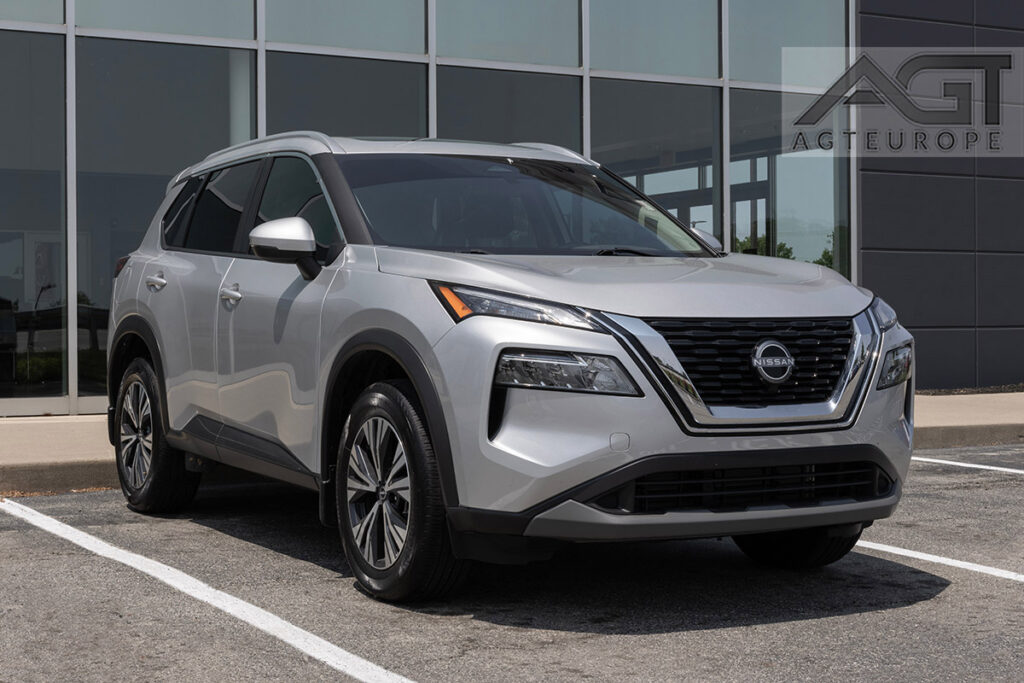
The Nissan Rogue models to avoid include 2008, 2013, 2014–2018, and 2021. These cars are plagued by CVT transmission issues, airbag defects, electrical glitches, fuel system faults, engine failures, and structural problems. They also have a great number of recalls and owner complaints on NHTSA.
Want to see the full breakdown and avoid costly mistakes? Keep reading.
In This Article:
What Year Nissan Rogue To Avoid
2008 Nissan Rogue
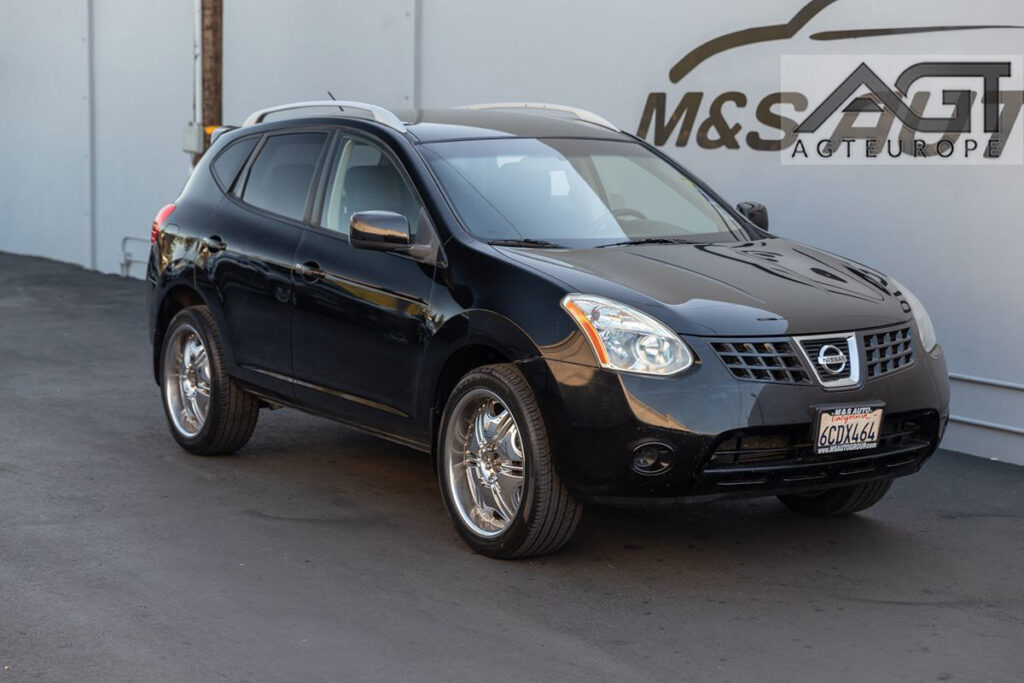
The 2008 Nissan Rogue is one of those vehicles that looks good on paper but quickly proves unreliable on the road. According to the NHTSA’s 2025 data, it has 5 recalls and 424 complaints, with the majority tied to its notorious CVT issues.
Many owners report sudden loss of power on the highway, where the car won’t go past 40–50 MPH and the RPMs stay stuck around 2000–2500. Others describe severe shuddering, jerking, or even rolling backward on hills when the transmission fails to engage. Replacement costs run between $3,700 and $4,100, and some drivers had to replace the transmission more than once.
Airbag problems are another major concern. Warning lights that flash on and off, passenger airbags that stay off while occupied, and even unintended deployments at 65 MPH are frequently reported. Although recalls exist for these issues, many VINs were excluded, leaving owners with repair bills as high as $2,500.
Electrical and safety systems also add to the Rogue’s poor record. Complaints include cruise control turning on by itself, fuel gauges that read empty after a fill-up, and even steering wheel fires. We personally experienced a dangerous stall at 40 MPH when the car suddenly lost acceleration in traffic, forcing us to coast to safety. Others share similar stories, often with mileage between 80,000 and 120,000.
2013 Nissan Rogue
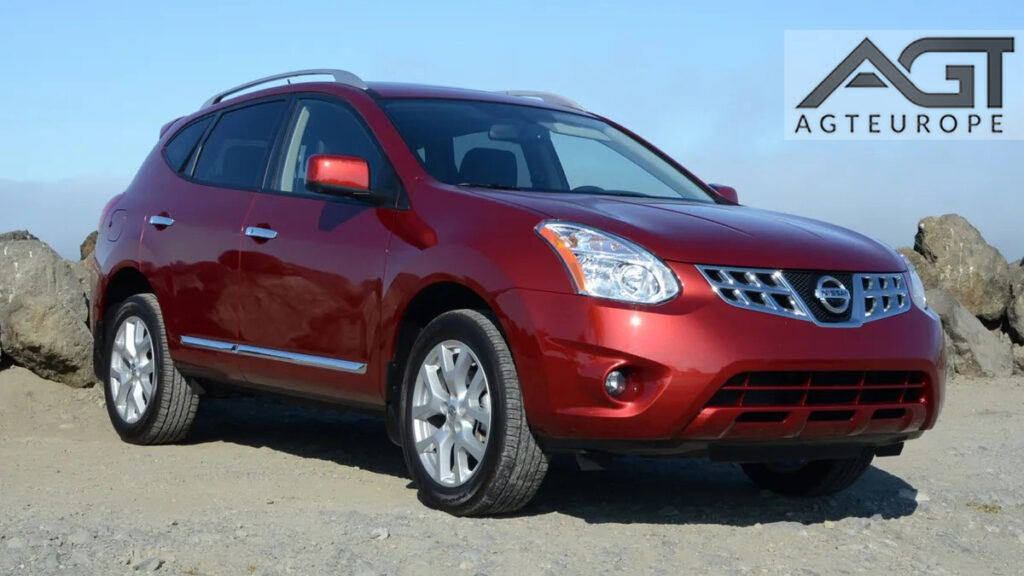
The 2013 Nissan Rogue has earned a reputation as one of the most unreliable compact SUVs of its time, and current data confirms this. As of 2025, the model has 595 NHTSA complaints and 1 recall, with the majority of issues tied to the continuously variable transmission (CVT).
Many owners report sudden power loss while driving at highway speeds, hesitation when pressing the accelerator, or the vehicle going into “limp mode” after 10–15 minutes on the road. These problems often happen at speeds above 70 mph, creating serious safety risks such as near rear-end collisions. Other symptoms include loud whining noises, high engine revs with no acceleration, and sudden stalling in hot weather when the CVT overheats. Airbag issues and electrical glitches also recurred, like with the 2008 model.
Drivers also describe speed control failures, where the car drops from 73 mph to under 60 mph with cruise control engaged, without warning or dashboard alerts. Compounding this, the A/C system often blows hot air during transmission failures, suggesting cooling system strain. Some owners have been told they need costly transmission coolers or full replacements, usually around 100,000 miles.
From our own experience, while driving at 75 mph on the interstate with just over 104,000 miles on the odometer, the car suddenly lost acceleration and coasted to a dangerous stop in traffic. Waiting ten minutes allowed it to restart, but the same failure repeated within 30 miles. This reflects a widespread defect documented across hundreds of complaints.
2014-2018 Nissan Rogue
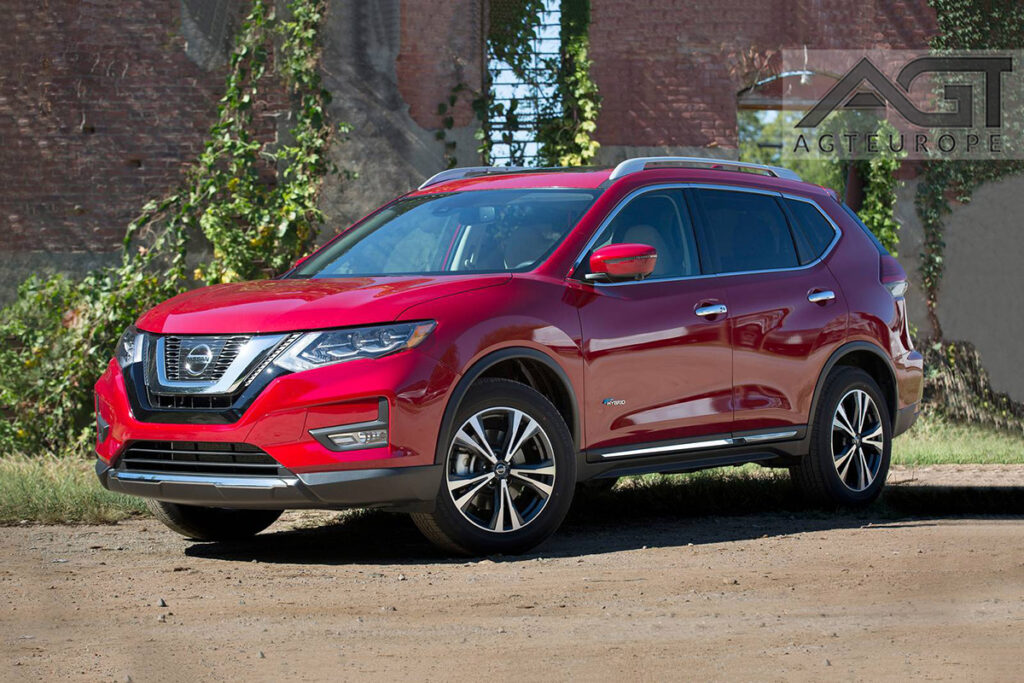
- 2014: 10 recalls, 422 NHTSA complaints (2025 data)
- 2015: 9 recalls, 520 NHTSA complaints (2025 data)
- 2016: 7 recalls, 507 NHTSA complaints (2025 data)
- 2017: 5 recalls, 554 complaints (2025 data)
- 2018: 3 recalls, 614 complaints (2025 data)
The 2014 to 2018 models have become known for their flaws, and the infamous Nissan Rogue transmission problem still echoes across these years, with many drivers facing hesitation, stalling, and costly failures.
Fuel system problems are among the most serious concerns. Owners have reported persistent natural gas odors inside the cabin even after repairs, which were supposed to address corrosion in the driver’s side wiring harness. Fuel pumps often fail prematurely, sometimes requiring replacement more than once within a year.
Many drivers say their Rogues suddenly lose power, refuse to accelerate past 10–20 mph, or stall outright in intersections and on highways. We experienced this firsthand in our 2018 Rogue test drive: after nearly two hours on the highway, the car slowed to 2,000 RPM with no acceleration, forcing us to pull over.
Electrical system failures add another layer of frustration. Water leaks into the driver’s side floorboard, corroding connectors and causing issues with windows, seats, and even AWD warning lights. In severe cases, electrical shorts have triggered burning odors or small fires. Some owners also describe flickering interior lights and erratic locking while driving, pointing to design flaws that simple recalls have not fully resolved.
Structural defects are also widespread. Water intrusion is a common complaint, with carpets soaked and mold forming inside the cabin. Sunroof drains clog and leak, dripping onto drivers, while corroded liftgate supports can cause the heavy hatch to slam shut unexpectedly, creating a real risk of injury.
Airbag problems impair overall safety ratings. Warning lights flash repeatedly, sensors fail without a clear cause, and in some cases, airbags do not deploy in crashes. This leaves owners unsure whether the system will work when most needed.
Finally, speed control failures are often reported. Drivers press the accelerator only to find the Rogue barely moving at 30 mph on highways posted at 65 or 70. We experienced the same issue with our 2018 model at 67,000 miles, where flooring the pedal produced no response until we restarted the vehicle.
2021 Nissan Rogue
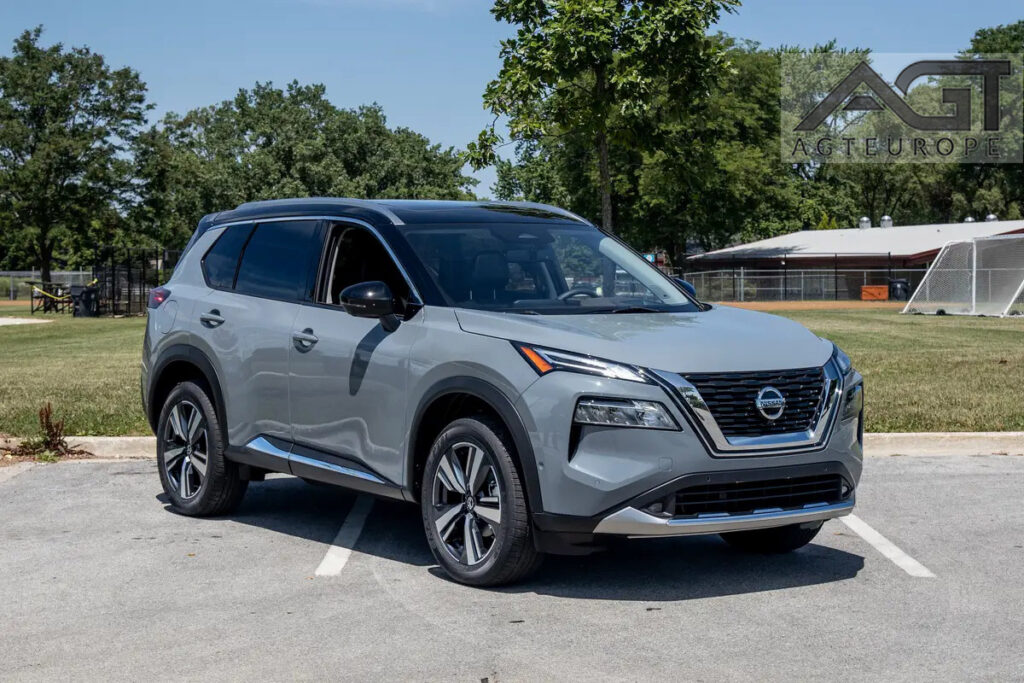
The 2021 Nissan Rogue has faced an alarming number of recalls for such a recent model, with 10 NHTSA recalls already on record as of 2025. These issues cover several critical components.
Faulty fuel pumps can overheat or fail, leading to sudden engine stalls that raise the risk of crashes. Incorrectly installed wheel nuts may cause wheel studs to break, leading to complete wheel separation.
The rearview camera display is another recurring problem. It may go black or fail to operate, reducing visibility when reversing. Safety concerns also extend to the braking system, where a missing brake caliper bushing could cause brake fluid leaks and weaken braking performance.
On top of that, second-row seatbacks have been found improperly welded, making child seats insecure in crashes. In some cases, a poorly secured fuel hose has been reported, which can leak and create a fire hazard, or disconnect entirely, causing the engine to stall. Each of these recalls points to serious design and assembly flaws that put drivers and passengers at risk.
In addition to recalls, 200 owner complaints (as of 2025) highlight persistent issues that remain unresolved. Many drivers have dealt with electrical failures, including batteries draining prematurely, infotainment screens freezing or rebooting, and backup cameras shutting off unexpectedly.
Some owners also report their dashboards going completely black, power doors malfunctioning, or cars failing to start even with a functioning key fob. Engine and transmission troubles are also common, ranging from jerking CVTs and slipping gears to total engine failure around 60,000–100,000 miles.
Complaints of engine stalls on highways are particularly concerning, with some owners barely avoiding rear-end collisions. In our own experience, the Rogue stalled at 35 mph with warning lights flashing, and another time the battery died suddenly after less than two years, leaving us stranded. These problems reflect a widespread reliability crisis, making the 2021 Rogue a model best avoided.
Common Nissan Rogue Problems
If you’re seeking a used Nissan Rogue, keep in mind these reliability issues:
- CVT transmission failures: The Rogue’s most infamous issue is its continuously variable transmission (CVT). Owners report sudden power loss, hesitation, stalling, and whining noises at highway speeds. Repairs are expensive, often over $3,500, and some drivers need multiple replacements within 100,000 miles.
- Airbag malfunctions: Airbag problems range from warning lights flashing randomly to airbags failing to deploy in accidents or even deploying unintentionally. Many vehicles were excluded from recalls, leaving owners with unsafe systems and high repair costs.
- Electrical system glitches: Electrical failures are widespread, including draining batteries, infotainment blackouts, flickering lights, and faulty locking systems. In severe cases, wiring corrosion and shorts led to burning odors, stalling, or even small fires.
- Fuel system defects: Faulty fuel pumps and leaking hoses have caused stalling on highways, fuel odors inside the cabin, and repeated failures even after repair. These issues not only reduce reliability but also create significant fire hazards.
- Structural and water intrusion issues: Many Rogues suffer from leaky sunroofs, clogged drains, and corroded liftgate supports that can slam shut unexpectedly. Water pooling in the cabin leads to mold growth, electrical corrosion, and long-term damage.
- Cruise control & speed regulation failures: Some owners report sudden speed drops with cruise control engaged, while others describe flooring the accelerator only to creep at 30 mph on highways. These unpredictable failures put drivers at risk of collisions.
- Safety recalls and assembly defects: Recent models, like the 2021 Rogue, face a troubling number of recalls for critical components, including fuel hoses, brakes, wheels, and improperly welded seatbacks. These design and assembly flaws compromise basic safety.
See more cars to avoid & common issues: