

Bank repo auctions intimidate newcomers unfamiliar with wholesale vehicle markets and institutional selling procedures. These events operate differently than retail dealerships, requiring preparation and specific knowledge for successful participation. First-time buyers face learning curves but benefit from significant discounts compared to traditional purchase channels.
Understanding auction mechanics, vehicle evaluation techniques, and post-purchase requirements transforms confusing processes into straightforward transactions. Banks move inventory efficiently through established procedures designed for volume rather than individual customer service. Buyers who adapt to these systems access opportunities unavailable through conventional retail channels.
In This Article:
How Bank Auction Cars Differ From Dealer Inventory
Dealerships prepare vehicles before displaying them for retail sale. They repair mechanical issues, detail interiors, and address cosmetic problems. This reconditioning adds $1,500-3,000 to prices while creating ready-to-drive condition. Banks skip these preparations entirely, selling vehicles exactly as repossessed with all existing flaws intact.
Warranty coverage represents another major difference. Franchise dealerships offer certified pre-owned programs with manufacturer-backed warranties providing repair coverage. Independent dealers might offer limited 30-day warranties covering major components. Bank auction cars for sale include no warranties or guarantees — all sales finalize as-is without recourse for discovered problems.
Return policies don’t exist at bank auctions. Once buyers complete purchases and take possession, no refunds or exchanges occur regardless of issues discovered later. This finality requires careful pre-purchase evaluation since buyers assume all risks. Dealerships often allow returns within limited timeframes or offer exchange options when serious problems surface quickly.
Registration Requirements Before Attending Auctions
Most bank repo auction facilities require advance registration before allowing participation. This process verifies buyer identities, establishes payment methods, and explains facility rules. Online registration typically opens several days before sale events, requiring government-issued identification and credit card information. Some auctions charge registration fees ranging from $0-200 depending on policies.
Dealer licenses provide advantages at wholesale auctions, including lower buyer fees and broader vehicle selection. Licensed dealers access inventory restricted from public buyers under state wholesale laws. Apply for dealer licenses through state motor vehicle agencies if planning regular auction participation. Requirements typically include business licenses, bonds, and physical business locations.
Public auctions allow unlicensed buyers but often charge premium fees — $300-500 above winning bids. These surcharges offset administrative costs and discourage casual participants. Factor these fees into budget calculations when comparing auction opportunities against retail purchases. Sometimes retail channels provide better values after accounting for premium charges.
Vehicle Inspection Time and Techniques
Auction schedules include preview periods before bidding begins. These windows allow potential buyers to inspect vehicles, start engines, and assess overall condition. Preview times typically last 2-4 hours before sales start. Arrive early maximizing available inspection time rather than rushing through evaluations minutes before bidding.
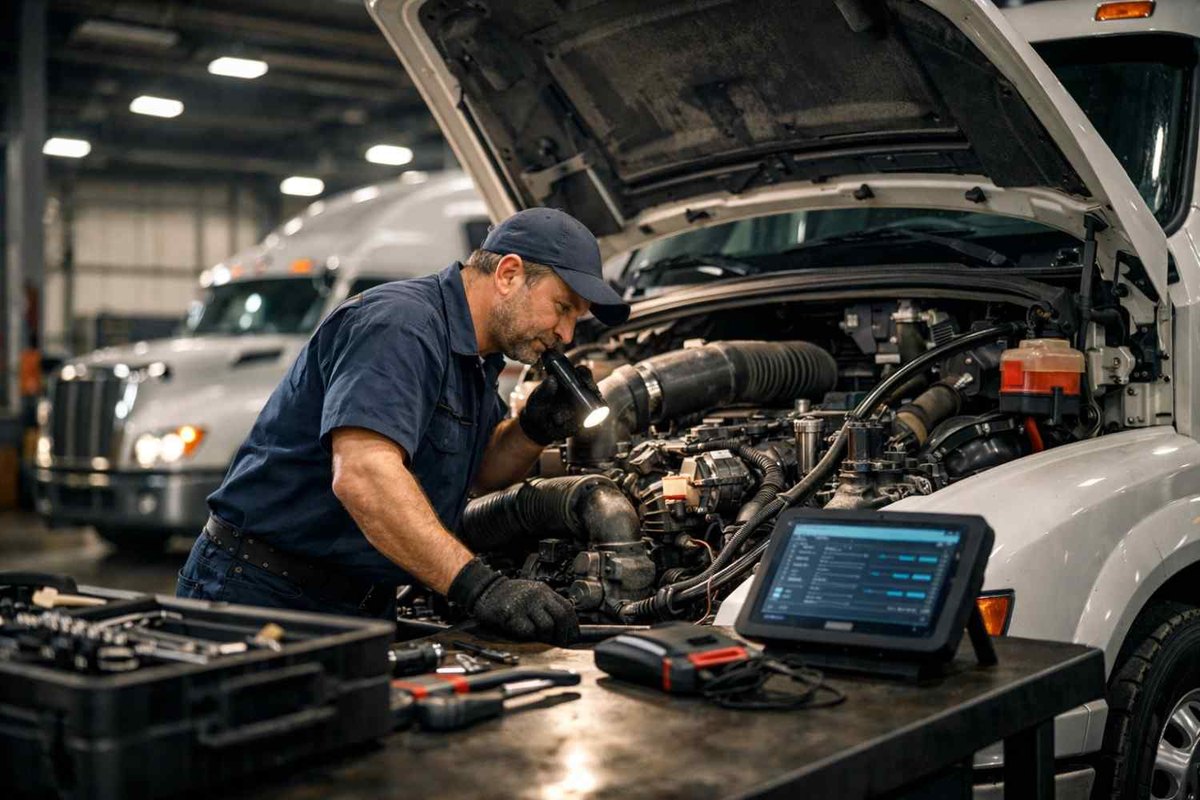
Bring inspection tools including flashlights for examining undercarriages, tire pressure gauges, and OBD-II code readers. These diagnostic tools reveal hidden problems not visible during casual walkarounds. Check fluids for proper levels and contamination. Dark oil suggests deferred maintenance while milky coolant indicates head gasket leaks.
Test every electrical component — lights, windows, locks, climate controls, and entertainment systems. Electrical problems cost hundreds or thousands to diagnose and repair. Verify warning lights illuminate during startup then extinguish after engines warm. Persistent check engine lights indicate problems requiring immediate attention after purchase.
Operate vehicles briefly if allowed. Listen for unusual engine noises, grinding brakes, or transmission slippage. Test steering responsiveness and suspension feel over parking lot speed bumps. These brief evaluations provide clues about mechanical condition despite being unable to perform complete test drives.
Bidding Mechanics and Payment Terms
Bidding starts at minimum reserves set by selling institutions. Auctioneers accept incremental bids from registered participants using physical gestures or electronic paddle systems. Bids increase by predetermined amounts — $25-100 depending on current price levels. Final bids winning vehicles obligate buyers to complete purchases at agreed prices.
Payment deadlines typically fall within 24-72 hours after auctions end. Banks accept cash, cashier’s checks, or wire transfers. Personal checks clear before vehicle releases, delaying possession by several business days. Credit card payments sometimes incur processing fees of 2-3% added to purchase prices. Confirm accepted payment methods before bidding.
Buyer premiums add percentages to winning bid amounts — typically 5-15% at bank repo auctions. For example, $10,000 winning bids incur $500-1,500 additional charges depending on facility policies. These premiums fund auction operations and represent unavoidable costs factoring into total budgets. Calculate these amounts before determining maximum bids.
Vehicle pickup windows close quickly after payment clears — 3-7 days depending on facility. Storage fees accumulate daily after grace periods expire, adding unexpected costs. Arrange transportation immediately after purchase completion. Some auctions offer transport services at additional charges or allow buyers to hire third-party haulers directly.
Understanding Bank Repo Cars for Sale Condition Reports
Condition reports accompany most bank auction vehicles, documenting known damage and mechanical issues. These reports protect banks from liability claims while informing buyers about existing problems. Read reports carefully, comparing stated conditions against observed vehicle states. Discrepancies warrant additional investigation before bidding.
Reports classify damages using industry terminology requiring translation for newcomers. “Mechanical damage” means engines, transmissions, or drivetrains need repairs. “Frame damage” indicates structural impacts affecting vehicle integrity. “Normal wear” suggests age-appropriate condition without excessive problems. Learn these terms before attending auctions to interpret reports accurately.
Some reports include repair cost estimates from insurance adjusters or bank inspectors. These projections provide baselines but don’t guarantee actual repair expenses. Parts availability, local labor rates, and hidden damages discovered during repairs affect final costs. Use estimates as starting points rather than definitive budgets.
Missing condition reports raise red flags about vehicle history or damage disclosure. Banks sometimes list vehicles without complete documentation when acquiring them from borrowers who refused cooperation. These unknown-condition vehicles require extra caution during inspections since no baseline information exists. Bid conservatively or avoid entirely when uncomfortable with information gaps.
Common Mistakes First-Time Auction Buyers Make
Emotional bidding produces the most expensive mistakes. Buyers fixate on specific vehicles, continuing bidding beyond rational limits when competition emerges. Pre-established maximum bids prevent overpaying during heated bidding wars. Write limits on paper, keeping them visible as reminders to walk away when exceeded.
Skipping pre-purchase inspections creates expensive surprises after auctions end. Time pressure during previews tempts buyers to rush or skip thorough evaluations. Prioritize inspection time over attending complete auctions. Missing opening vehicles matters less than thoroughly evaluating considered purchases before bidding starts.
Ignoring total cost calculations beyond winning bids causes budget overruns. Buyer premiums, taxes, transportation, and immediate repairs add substantially to purchase prices. Calculate complete ownership costs before bidding rather than focusing only on hammer prices. Sometimes seemingly cheaper auction purchases cost more than retail alternatives after accounting for all expenses.
Buying vehicles requiring unknown repairs exceeds many buyers’ budgets and capabilities. Seized engines, blown transmissions, or extensive collision damage demand professional rebuilds costing thousands. First-time buyers should focus on mechanically sound vehicles needing only minor repairs rather than assuming project vehicle complexity.
Post-Purchase Title and Registration Process
Banks provide titles showing lien releases within 10-30 days after purchase completion. Some facilities give titles immediately at pickup while others mail documents after internal processing. Confirm expected timelines before leaving with vehicles to avoid registration deadline pressures.
Transfer titles at local motor vehicle agencies following state-specific procedures. Bring bills of sale, old titles, odometer disclosures, and identification documents. Pay required transfer taxes and registration fees. Some states require emissions testing or safety inspections before registering purchased vehicles. Research requirements avoiding compliance surprises.
Obtain insurance before driving purchased vehicles from auction facilities. Most states require minimum liability coverage for legal operation. Contact insurance carriers immediately after winning bids, providing VINs and purchase prices. Many companies bind coverage immediately over phone conversations, allowing same-day vehicle possession.
Temporary registration permits allow driving recently purchased vehicles while permanent plates process. These documents last 30-90 days depending on state rules. Display temporary permits properly avoiding traffic stops for registration violations. Keep purchase documentation accessible during temporary registration periods proving legal ownership.
Building Confidence Through Practice
Attend several auctions as observers before participating actively. Watch experienced buyers inspect vehicles, follow bidding patterns, and understand facility procedures. This observation period demystifies processes while avoiding financial risks during learning phases. Most auctions welcome spectators attending without registration requirements.
Start with lower-value vehicles when making first purchases. Used sedan or compact car bids in $3,000-6,000 ranges limit financial exposures while gaining experience. Save higher-value purchases for later after developing confidence and understanding auction dynamics. Small mistakes on cheaper vehicles teach valuable lessons without devastating losses.
Join online communities discussing bank repo auction experiences. Forums and social media groups connect buyers sharing advice, warning about problematic facilities, and recommending reliable transportation sources. Learning from others’ mistakes costs nothing while potentially preventing expensive errors during early participation.
Consider hiring inspection services for first several purchases. Mobile mechanics visit auction facilities, performing pre-purchase evaluations for $100-200 per vehicle. These professional assessments identify problems casual buyers might miss while teaching inspection techniques through observation. Initial costs offset against avoided problems usually justify expenses.
Conclusion
Bank repo auction participation rewards prepared buyers with substantial savings compared to retail vehicle purchases. First-time success requires understanding institutional procedures, performing thorough inspections, and maintaining disciplined bidding strategies. Learning curves feel steep initially but flatten quickly with practice. The discounts available through bank auction cars for sale justify temporary discomfort navigating unfamiliar processes. Start conservatively, learn continuously, and build confidence gradually rather than attempting complex purchases before developing necessary skills.