
Shopping for a used truck or SUV can feel exciting at first glance, yet the process calls for careful thought beyond the surface. These vehicles usually carry a history that shapes performance, longevity, and overall value.
A smart buyer looks past appearance and focuses on the details that truly matter.
A lot of shoppers begin their search by comparing high-quality used vehicles across different price points. Some focus on financing options early to narrow down realistic choices. Others prioritize access to reliable car service after the purchase.
A growing number of buyers also pay attention to the availability of OEM car parts, which can impact long-term maintenance and reliability.
In This Article:
Vehicle History and Ownership
A vehicle’s past tells a story that cannot be ignored. Ownership records, accident reports, and service logs reveal how the truck or SUV has been treated over time. A clean title does not always mean trouble-free performance; deeper inspection is still necessary.
Mileage is frequently one of the first details that buyers review. Lower mileage can suggest less wear, yet it does not guarantee better condition. A well-maintained vehicle with higher mileage may perform better than one that sat unused for long periods.
Consistent servicing matters more than numbers on the odometer.
Previous usage also shapes the vehicle’s condition. Trucks used for heavy towing or commercial work may show more strain on components. SUVs that served as family vehicles might have interior wear but fewer mechanical issues.
Each scenario presents different trade-offs that should be evaluated carefully.
Mechanical Condition and Inspection
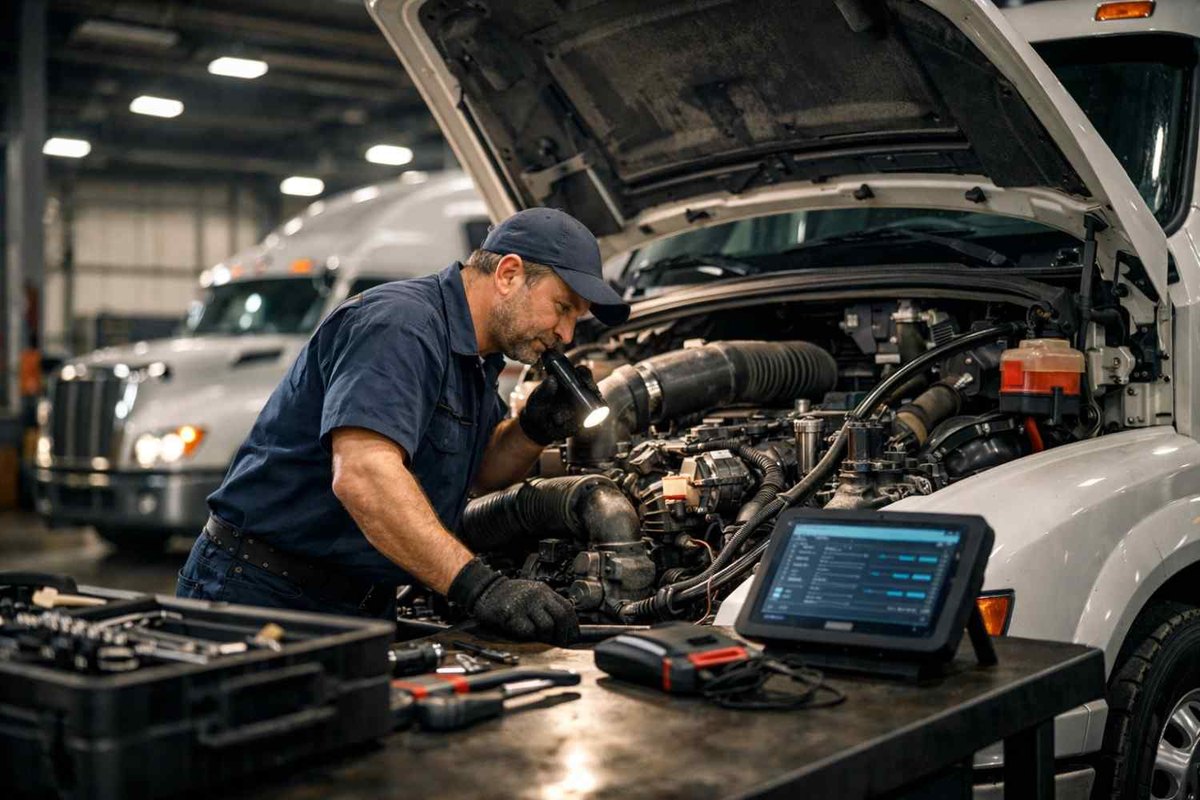
A thorough inspection separates a confident purchase from a costly mistake. Buyers should look beyond visible features and focus on core mechanical systems. The engine, transmission, suspension, and braking system deserve close attention.
Unusual sounds during a test drive can signal underlying problems. Vibrations, delayed shifting, or uneven braking should not be ignored. These signs might point to repairs that could become expensive over time.
A professional inspection adds another layer of confidence. Trained technicians can identify issues that may not be obvious during a casual review. This step may require an upfront cost, yet it can prevent larger expenses later.
Technology and Modern Features
Used trucks and SUVs now include advanced technology that was once limited to new models. Infotainment systems, driver assistance features, and connectivity options differ based on model year and trim level.
Buyers should check that all electronic systems function properly. Malfunctions in sensors, cameras, or displays can affect both convenience and safety. Repairs for these components can be more complex than traditional mechanical fixes.
Compatibility with current devices also matters. Older systems may not support newer smartphones or software updates. A quick review of these features can help avoid frustration after the purchase.
Evaluating Long-Term Value
Price alone does not determine value. A lower purchase cost may lead to higher expenses if the vehicle requires frequent repairs. On the other hand, a slightly higher price for a well-maintained model may result in fewer issues over time.
Depreciation trends differ between trucks and SUVs. Many trucks retain value due to their versatility and demand in both personal and work settings. SUVs often appeal to families and commuters, which can also support resale value depending on the model.
Fuel efficiency is another thing to consider. Larger engines may offer power and towing capacity, yet they can increase fuel costs over time. Buyers should match vehicle capabilities with actual driving needs to avoid unnecessary expenses.
Financing Considerations and Budget Planning
Budget planning goes beyond the sticker price. Buyers should account for taxes, registration, insurance, and future maintenance. Monthly payments should fit comfortably within overall financial plans without creating strain.
Different financing structures can affect total cost. Interest rates, loan terms, and down payments all influence the final amount paid over time. Reviewing multiple options allows buyers to find a plan that meets their financial goals.
Pre-approval can simplify the buying process. It offers a clear picture of what is affordable and can strengthen negotiating power. Buyers who enter the process with defined limits often make more confident decisions.
Importance of Service and Maintenance Access
Owning a truck or SUV involves ongoing care. Access to consistent service can make a difference in long-term satisfaction. Facilities with trained technicians and proper equipment can diagnose issues more accurately.
Routine maintenance such as oil changes, tire rotations, and fluid checks should be easy to schedule. Delays in service can lead to larger problems that affect performance and safety. Buyers should consider how convenient it will be to maintain the vehicle after purchase.
Service history also ties into future reliability. Vehicles that received regular care tend to perform better and require fewer major repairs. Documentation of past service adds credibility to the vehicle’s condition.
The Value of OEM Parts in Repairs
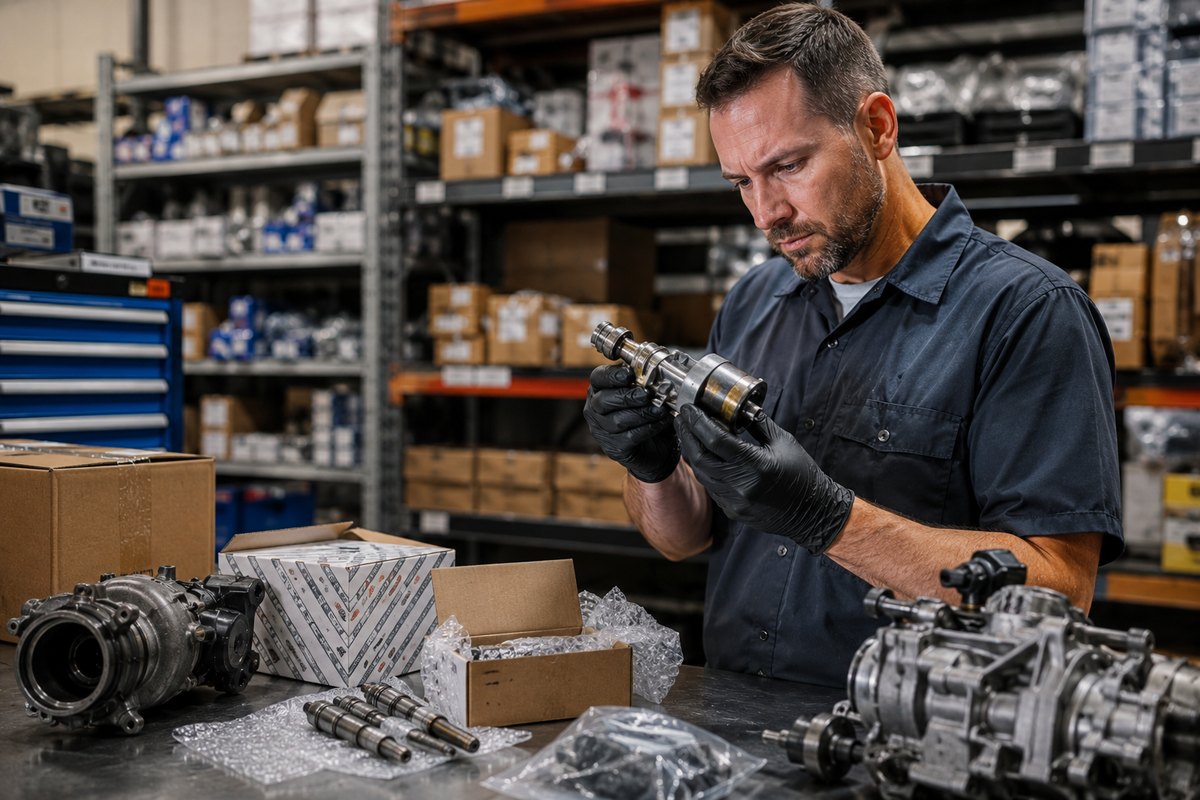
Replacement parts differ in quality and compatibility. OEM components are designed specifically for the vehicle, which can support consistent performance. They match the original specifications more closely than generic alternatives.
Using OEM parts can also affect resale value. Buyers often view vehicles with original components as more reliable. This perception can influence future offers when it comes time to sell or trade in the vehicle.
Availability matters as well. Vehicles with limited access to proper parts may face longer repair times. Choosing a model with widely available components can reduce delays and inconvenience.
Matching the Vehicle to Lifestyle Needs
Every buyer has different expectations. A truck may suit someone who needs towing power or off-road capability. An SUV may appeal to those who prioritize passenger space and comfort.
Selecting the right type depends on daily use rather than occasional needs.
Cargo capacity, seating configuration, and driving conditions should all be considered. Urban drivers may prefer smaller SUVs for easier parking. Those in rural areas might value ground clearance and durability.
Weather conditions also influence the decision. All-wheel drive or four-wheel drive can offer added confidence in challenging environments. Buyers should evaluate how often these features will be used before making a final choice.
Test Driving with Purpose
A test drive should go beyond a short trip around the block. Buyers should take time to evaluate handling, acceleration, and braking in different conditions. Highway driving can reveal performance characteristics that may not appear at lower speeds.
Comfort also matters during the test drive. Seat support, visibility, and cabin noise can affect long-term satisfaction. Small details can become important over time, especially for those who spend many hours on the road.
Testing different models can help refine preferences. Comparing vehicles highlights strengths and weaknesses that may not be obvious at first glance.
Making a Confident Purchase
Buying a used truck or SUV involves more than selecting a model that looks appealing. It requires a balanced approach that considers history, condition, technology, and long-term value. Careful evaluation at each step can lead to a more satisfying ownership experience.
A thoughtful process helps buyers avoid common pitfalls and focus on vehicles that line up with their needs. The right choice delivers reliability, comfort, and performance without unexpected surprises.