

Why do some vehicles age gracefully while others start showing problems much earlier than expected? The answer often comes down to how they are cared for through vehicle certified service and consistent maintenance habits. When drivers stay connected to their vehicle’s needs, they begin to notice how smooth acceleration, responsive steering, and dependable braking are linked to expert attention behind the scenes. Think about the relief that comes from knowing potential issues are spotted before they interrupt daily plans, long trips, or unexpected weather changes. A well-maintained vehicle does more than just reach its destination; it gives the driver a steady sense of control and confidence every time the engine starts.
In This Article:
Why Certified Service Matters for Modern Vehicles
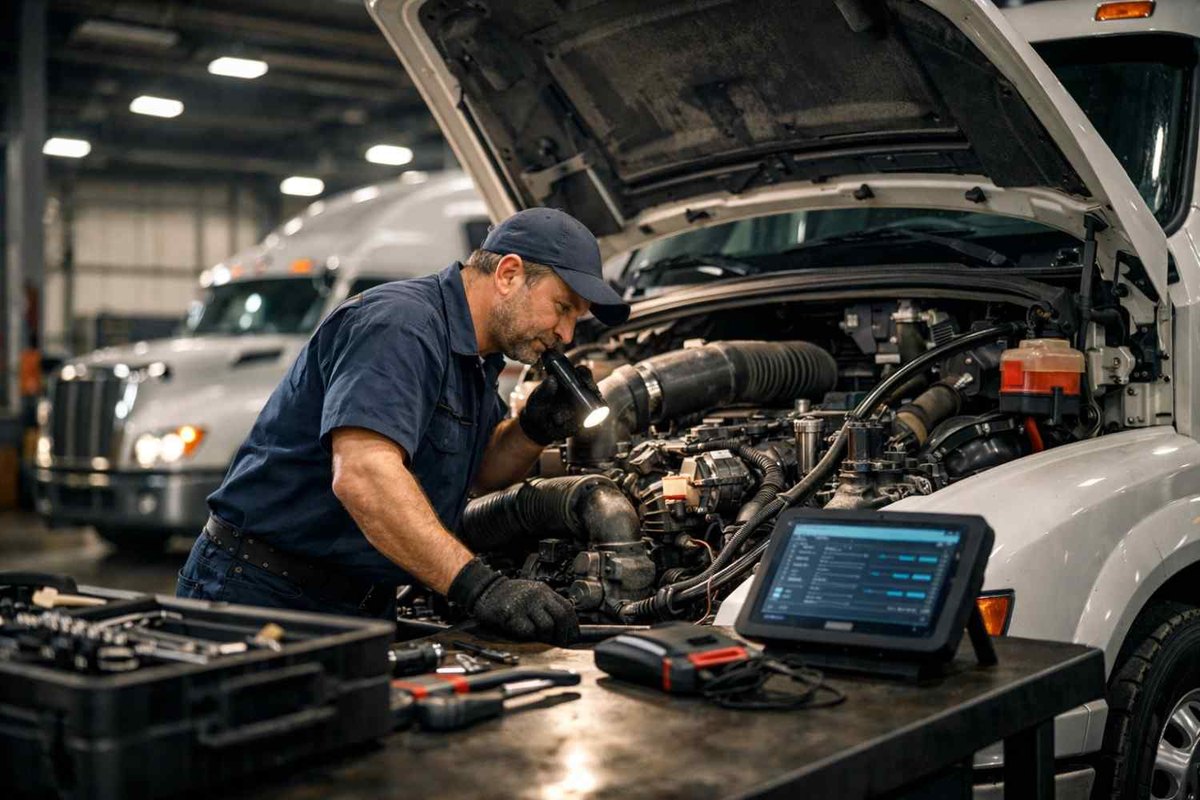
Modern vehicles rely on complex systems that combine mechanical parts with electronic controls, so maintenance needs more than basic checks. Drivers expect smooth rides, confident braking, and stable handling, yet these results depend on components that face heat, friction, and constant load. Trained technicians understand how each system supports the next and use diagnostic tools to read signals from sensors. Their insight turns warning lights, small noises, or slight vibrations into clear guidance for timely work. Planned visits help keep performance steady as mileage increases and conditions change over time.
Regular service also supports long term reliability by addressing wear before it reaches serious levels. A brief rattle, delay in starting, or soft brake pedal can point to underlying issues that are easier to correct early. Specialists who work with the same models every day learn common patterns and know which components deserve close attention. Their recommendations help owners schedule maintenance with confidence and clear expectations. This consistent pattern of expert care protects safety, limits major repairs, and extends the useful life of the vehicle across many years for drivers.
How Expert Maintenance Prevents Long-Term Mechanical Wear
Expert maintenance slows mechanical wear by addressing stress points before they escalate into costly failures. Each stage of care focuses on identifying small changes, supporting smooth movement, and keeping parts aligned so they do not strain one another.
- Catching Early Signs Before They Spread
Mechanical wear begins with subtle symptoms like faint noises or mild resistance that most drivers overlook. Expert inspections read these signals at their earliest stages and connect them to the parts under stress. Fixing concerns while they are small protects surrounding components and prevents damage from moving deeper into the vehicle. - Reducing Stress Through Lubrication and Cooling
Fluids play a large role in protecting systems from heat and friction during daily driving. When they are replaced before breaking down, moving parts remain cushioned, and temperature spikes stay under control. Expert maintenance watches fluid strength and timing, which slows wear on pistons, bearings, and gears while helping avoid expensive repairs. - Supporting System Balance Through Scheduled Adjustments
Wear increases when one component compensates for another that is loose, worn, or misaligned. Expert maintenance keeps systems balanced through tension checks, tightened mounts, and alignment corrections. These adjustments help parts work together instead of against each other, which slows long-term mechanical wear and maintains consistent driving performance.
The Role of Genuine Components in Extending Vehicle Lifespan
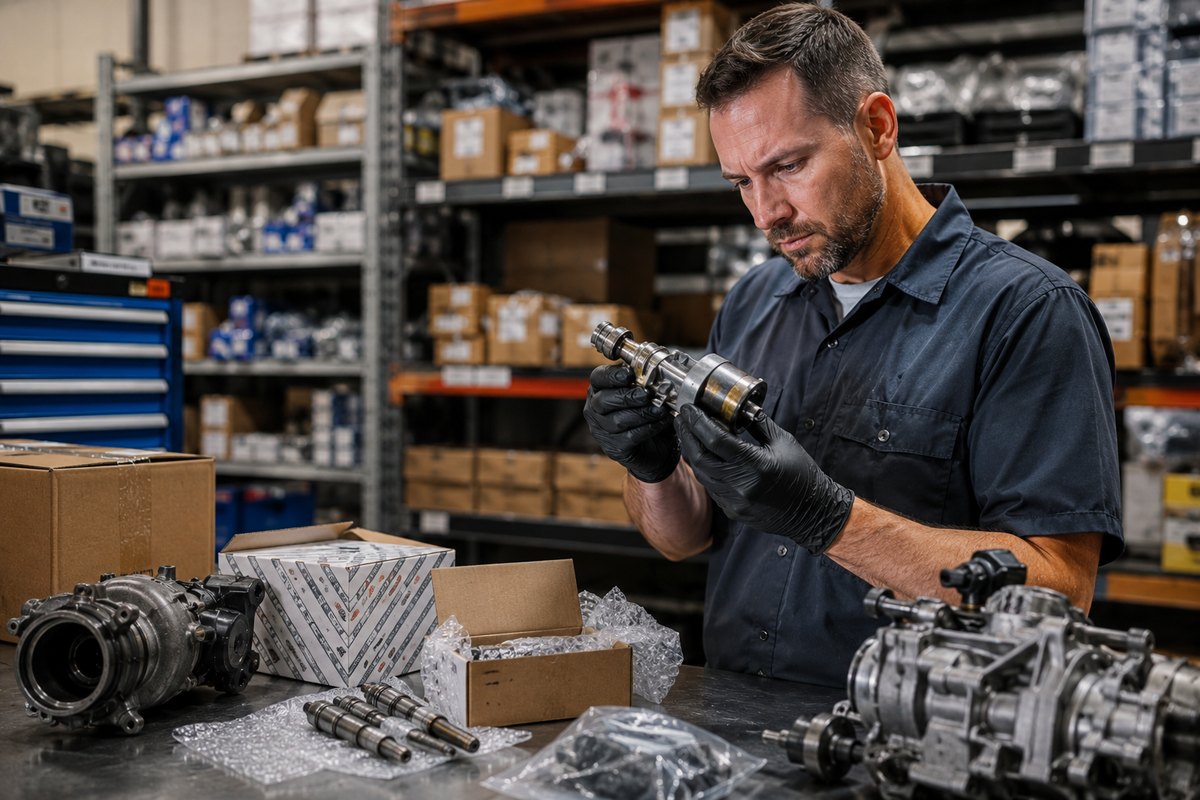
Long-term reliability depends on how well replacement parts match the original build of the vehicle. When components share the correct measurements, materials, and connection points, surrounding systems do not struggle to compensate. This balance reduces strain on parts that face constant motion, heat, and pressure during daily use. Smooth alignment between replacement pieces and existing assemblies helps maintain predictable temperature control and steady movement as mileage grows. A proper match keeps the vehicle performing the way it was designed without placing unnecessary stress on neighboring components.
Using genuine car parts also supports consistent wear patterns that protect against uneven damage. Each replacement fits into existing mounts, housings, and belts without forcing adjustments that disrupt system harmony. That level of compatibility keeps friction points manageable and prevents smaller parts from weakening faster than intended. When replacements work with the vehicle instead of against it, mechanical strength remains stable across years of driving. This approach slows degradation, limits major repairs, and supports confidence in everyday use because each system continues to function as intended over time.
How Advanced Diagnostics Reduce Unexpected Breakdowns
Accurate diagnostics reveal early signs of wear that are not visible during everyday driving. Sensor readings, temperature changes, and electrical signals point to how parts respond under pressure, which guides timely maintenance choices. When trained specialists study these patterns, they can identify potential failures before they interrupt routines. This approach keeps repairs focused on real causes instead of surface symptoms. Drivers gain confidence because sudden issues become less likely once developing problems are handled at the right moment.
Diagnostic evaluations also support reliable performance as the vehicle ages across seasons and varying road conditions. Repeated readings show whether components are weakening at a normal pace or drifting toward failure. When specialists interpret that information, they can suggest maintenance timelines that protect connected systems from extra strain. Timely corrections slow mechanical stress, which helps keep major components healthy across thousands of miles. This guiding process reduces unexpected breakdowns, saves money over time, and supports consistent driving without major interruptions.
Maintenance Records and Residual Value Protection
Clear maintenance records give future buyers a direct view of how a vehicle has been cared for across the years. Documented visits show that important services were completed on schedule, which reduces doubt and supports stronger resale offers. Service histories also help current owners because technicians can track patterns and avoid repeating past work. With accurate records available, decisions about repairs, warranty claims, and the timing of major maintenance become easier. That level of transparency protects long-term value and builds confidence for anyone considering a purchase or trade. Buyers see proof of consistent care instead of guessing about hidden problems.
Expert Care as a Long-Term Ownership Strategy
Expert attention given at the right moments helps a vehicle stay dependable as the years pass. When inspections, accurate diagnostics, and timely component replacements guide care, small issues remain manageable instead of turning into expensive problems. Drivers notice the results through steady performance, predictable handling, and fewer interruptions to daily routines. Treating maintenance as an ongoing commitment supports long-term reliability and keeps mechanical stress under control. Each visit protects value and keeps the vehicle steady through daily use without strain.