
Finding a dependable auto repair shop ranks among the more consequential decisions a vehicle owner makes. The wrong choice leads to inflated bills, misdiagnosed problems, and repairs that create new failures. The right one extends a vehicle’s lifespan and removes a persistent source of stress from daily life.
When evaluating options, most car owners default to proximity or price. Neither criterion alone predicts quality. Shops like vip-servicecenter.com demonstrate that geographic convenience and competitive pricing can coexist with certified workmanship — but that combination requires deliberate vetting, not assumption.
In This Article:
Why the Wrong Shop Costs More Than the Repair Itself
A poor repair decision compounds over time. A technician who misdiagnoses a brake issue may fix a symptom while the root cause continues to degrade surrounding components. The owner returns weeks later with a larger problem and a second invoice.
Beyond mechanical errors, dishonest shops exploit the knowledge gap between technicians and customers. Unnecessary services are added to estimates, urgency is manufactured around non-critical items, and parts are marked up without disclosure. The financial damage accumulates quietly across multiple visits before the pattern becomes visible.
Certifications Tell You Who Is Qualified to Touch Your Car
The ASE Standard and What It Requires
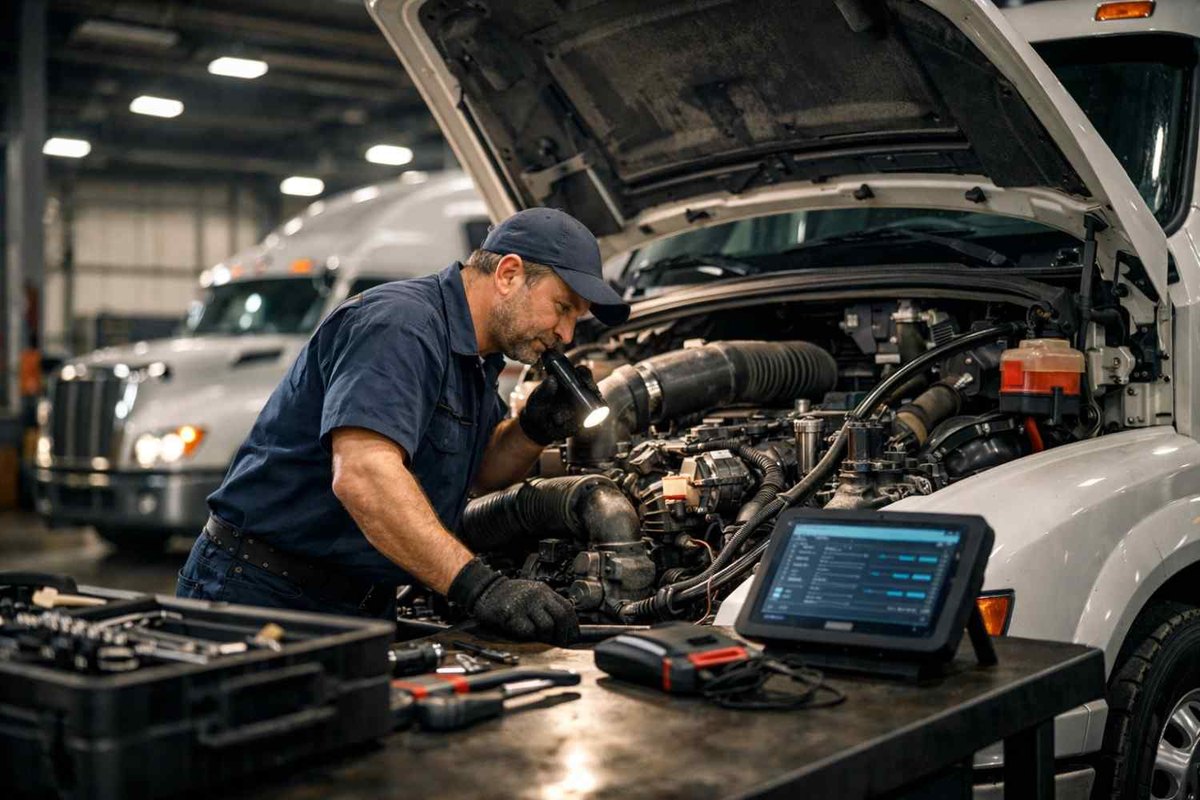
The National Institute for Automotive Service Excellence issues ASE certifications to technicians who pass standardized examinations across specific repair categories. Certification in engine repair, electrical systems, or brakes indicates that a technician has demonstrated competency in that domain — not merely accumulated hours on the floor.
A shop that employs multiple ASE-certified technicians signals institutional investment in skill. Certification requires renewal, which means technicians stay current with evolving vehicle technology rather than relying on methods that predate modern diagnostics.
Third-Party Endorsements as an Additional Filter
AAA-approved facilities undergo facility inspections, customer satisfaction audits, and technician credential reviews before receiving designation. The approval process filters out shops that pass visual inspection but fail on service consistency. Other endorsements — from manufacturers, regional automotive associations, or state inspection authorities — function similarly as external validators that a shop cannot grant itself.
How to Read Reviews Without Being Misled
The Anatomy of a Reliable Review
Star averages obscure more than they reveal. A shop with 4.2 stars and 300 reviews carries more diagnostic value than one with 5.0 stars and 11 reviews. Volume reduces the statistical impact of outliers — both planted positives and retaliatory negatives.
Within reviews, specificity signals authenticity. A reviewer who names a technician, describes a problem with precision, and references the communication they received throughout the process is recounting an actual experience. Vague praise — “great service, highly recommend” — provides no usable information.
What Negative Reviews Actually Reveal
A single negative review among hundreds means little. A pattern of complaints about surprise charges, unreturned calls, or repairs that failed within weeks means a great deal. The shop’s response to criticism reveals operational culture. Defensive replies, blame-shifting, or absence of response indicate that accountability is not embedded in how the business operates.
What a Physical Visit Reveals Before Any Work Begins
Reading the Shop Environment
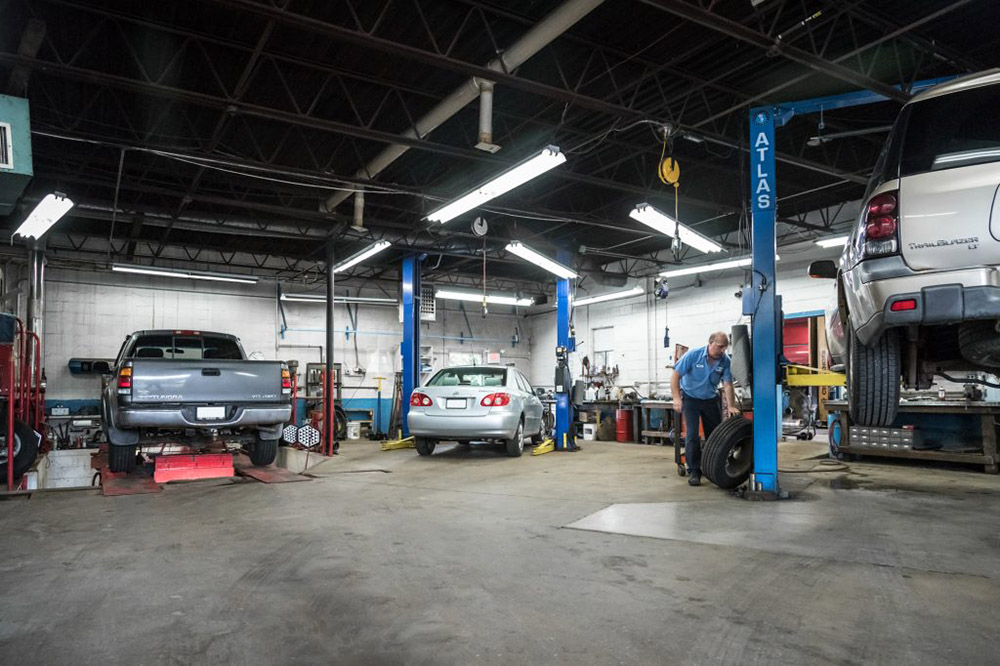
A well-organized workshop communicates process discipline. Tools stored in designated locations, vehicles in clearly defined bays, and a clean customer area indicate that the operation runs with intention. Disorder in the physical space frequently mirrors disorder in workflow and documentation.
How Staff Behavior Functions as a Diagnostic
The first interaction — whether by phone or in person — demonstrates communication standards. A service advisor who asks about the vehicle’s history, listens without interruption, and explains findings in an accessible language is operating transparently. One who quotes prices before examining the car or creates urgency without evidence is working from a different set of priorities.
The Estimate as a Transparency Test
What a Written Estimate Must Contain
A legitimate estimate itemizes labor hours separately from parts costs, identifies each part by name and specification, and distinguishes between OEM and aftermarket sourcing. Any shop that refuses to provide written documentation before beginning work removes the customer’s ability to verify what was agreed upon and what was actually done.
Comparing Quotes Across Shops
Price comparison yields useful information only when the underlying scope is identical. A lower quote based on aftermarket parts and fewer labor hours is not equivalent to a higher quote based on OEM components and full diagnostic time. The comparison requires matching specifications, not matching numbers.
Parts Selection and the Right to Know
OEM, OE-Equivalent, and Aftermarket Defined
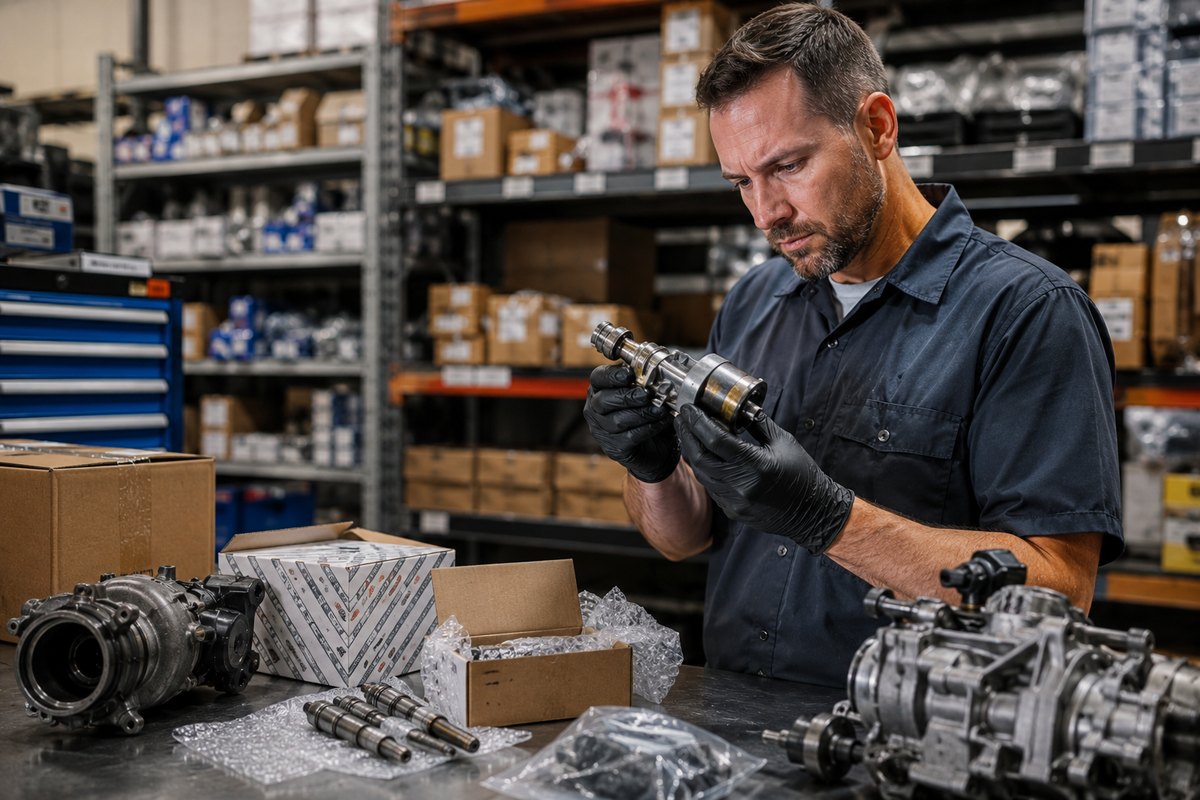
Original equipment manufacturer parts are produced to the same specification as factory-installed components. OE-equivalent parts meet the same standards through a different supply chain. Aftermarket parts vary widely — some perform identically to OEM parts, while others degrade faster or introduce fit inconsistencies.
Where the Distinction Matters Most
For routine consumables — cabin filters, wiper blades, non-critical fluids — aftermarket sourcing rarely produces a meaningful difference. For components tied directly to safety or system integration — brake assemblies, sensors, suspension geometry parts — specification fidelity matters significantly. A shop that uses the same sourcing logic across all repair categories is not applying appropriate judgment.
Warranty Coverage as a Measure of Confidence
What Standard Coverage Looks Like
Twelve months or twelve thousand miles represents the baseline warranty most reputable independent shops offer on parts and labor. National chains often extend this through affiliated networks, allowing warranty claims to be honored at locations outside the original repair city — a relevant consideration for owners who travel.
The Absence of a Warranty as Disqualifying Information
A shop that declines to warranty its work signals one of two things: insufficient confidence in the repair outcome or an intention to avoid accountability for failures. Neither interpretation supports trusting that shop with a vehicle.
Independent Shop, Dealership, or Chain
When a Dealership Earns the Premium
Manufacturer dealerships carry brand-specific diagnostic software, factory-trained technicians, and direct access to technical service bulletins that independent shops may not receive. For vehicles under warranty, for recall work, or for software-dependent systems on newer models, dealership infrastructure offers capabilities that justify higher labor rates.
The Case for the Independent Mechanic
Independent shops operate with lower overhead than dealerships and frequently build long-term relationships with repeat customers. An independent technician who has serviced the same vehicle over multiple years carries contextual knowledge about that specific car — its history, its patterns, its owner’s priorities — that no chain location or dealership service department can match.
Questions Worth Asking Before Handing Over the Keys
About the Technician and the Repair
Asking which technician will perform the work, whether that person holds relevant ASE certification, and what the shop’s diagnostic process involves before any parts are ordered establishes a baseline of accountability. Asking what happens if the repair is delayed frames the conversation around evidence rather than sales pressure.
About Parts, Pricing, and Warranty
Requesting confirmation of parts specification — OEM or aftermarket, and from which supplier — before approving an estimate is a standard consumer right in most jurisdictions. Asking to inspect a removed part after replacement verifies that the work described was actually performed. Asking about warranty scope and duration before authorization ensures the terms are understood while there is still room to negotiate or walk away.