

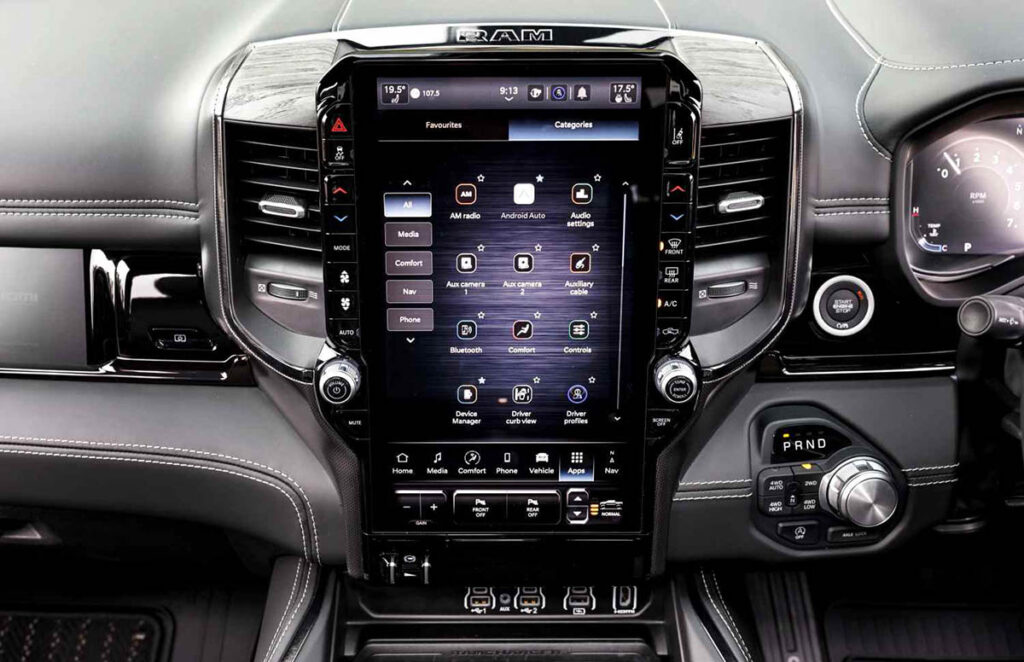
With enhanced expectations for in-car audio, Dodge and RAM vehicles have undergone notable changes in their sound systems. Over recent years, both brands have introduced more refined factory and upgrade options, reflecting improvements in speaker engineering, system tuning, and infotainment integration. These updates are influencing how drivers and passengers experience music and media while on the road.
Audio quality now often distinguishes Dodge and RAM vehicles from others in their class. While factory setups deliver improved sound, many car owners seek upgrades for further control and audio clarity. The presence of brands like Pioneer has become common, complementing both stock configurations and custom installations based on driver preferences. Gaining familiarity with today’s in-car audio possibilities is useful for those wanting a tailored listening environment, whether for daily commutes or extended travel.
In This Article:
Developments in amplification, speaker design, and acoustics
Modern in-car audio systems use amplification that delivers higher output with less heat and lower energy demand. Class D amplifiers now dominate many automotive sound setups, providing efficient performance and remaining cool even during prolonged use. These features can contribute to system reliability and allow dynamic sound without putting unnecessary stress on the vehicle’s electrical system.
Speaker design has also advanced in Dodge and RAM vehicles. Newer materials withstand temperature changes and humidity, offering more defined bass and clearer treble. Cones made from synthetic compounds and enhanced magnet structures allow for stable performance even as conditions vary. Recognizing the unique interior shapes of each model, manufacturers tune systems to create more balanced audio across different seating areas.
Role and configuration of speakers in the cabin
Speaker arrangements in current vehicles go beyond simple two-speaker layouts. Many Dodge and RAM models feature specialized midrange drivers and tweeters, located in doors and dashboards, to deliver a broader range of sounds. Three-way speaker systems can improve the separation and clarity of different frequency bands, leading to a more cohesive listening experience inside the cabin.
Dash and center speakers play a part in shaping stereo imaging and making voices distinct, which is noticeable with navigation announcements and phone calls. Subwoofers are now offered as standard or optional in many new trucks and performance vehicles, extending the reach into lower frequencies. Their placement aims to enhance bass while avoiding overpowering the other sound elements.
Digital signal processing and speaker protection advances
Signal processing software has become vital in achieving optimal sound for each specific vehicle interior. Equalization compensates for the influence of various materials and cabin shapes by limiting resonance and adjusting frequency balance, resulting in a more even listening experience. With time alignment technology, sounds from each speaker can be synchronized so the listener perceives them coherently from multiple directions.
Electronic features such as limiters and crossovers help keep speakers operating within safe limits and minimize distortion when volume increases. Frequency bands are split so that subwoofers handle bass and other speakers address mids and highs. Aftermarket installations that include Pioneer Audio components can provide additional tuning flexibility, but effectiveness depends on proper matching and configuration with the rest of the system.
Integration with digital sources and infotainment platforms
Dodge and RAM vehicles have integrated digital sources and infotainment controls, prioritizing ease of use and audio quality. Bluetooth connectivity is present in most new models for streaming music and making hands-free calls, while many retain USB or auxiliary inputs for wired access. Codec compatibility, such as support for higher-fidelity formats like AAC in some cases, can also influence the listening experience.
Integrating aftermarket components often involves addressing compatibility with factory controls and safety systems. Keeping steering wheel functions, voice commands, and warning tones intact may require additional interfaces or adapters. Proper integration ensures that upgrades work smoothly with built-in systems and maintain the accessibility of primary vehicle features.
Specific in-car audio challenges by vehicle category
The acoustics of cars, SUVs, and pickups each present different obstacles for audio design. Large interior spaces, especially in trucks and SUVs, can complicate sound distribution and challenge consistent volume for every occupant. Some vehicles with extended cabs might need extra rear speakers or added amplification to maintain balanced sound throughout the interior.
Wider cabins and flexible trim panels sometimes create rattles that interfere with bass quality. Addressing these concerns frequently involves applying sound-deadening materials to panels and floors and ensuring parts are securely attached to reduce noise and resonance. Attention to these details can help audio upgrades achieve cleaner and more pleasant bass response.
Key considerations for aftermarket upgrades and maintenance
Upgrading an in-car audio system is a process that may involve choosing between the original head unit and aftermarket sources offering advanced processing or new interfaces, such as a floating screen car stereo. Compatibility adapters are often used to keep existing controls while introducing new audio equipment. When selecting speakers and amplifiers, personal preferences around clarity, bass, or volume should guide decisions.
Higher-powered sound systems demand attention to electrical setup, including grounding, cable thickness, and the vehicle’s power supply. Ensuring that audio gear is protected from excessive heat, moisture, and physical impact is important for system longevity. Occasional troubleshooting—such as resolving alternator whine or locating blown fuses—also helps to maintain audio performance over time.
Translating innovation into better everyday performance
Recent technology in in-car audio strives to balance efficiency, user control, and sound quality. Enhanced components and thoughtful integration within Dodge and RAM vehicles have improved the overall listening experience compared to earlier generations. Factory-installed systems now provide more tailored and sophisticated sound profiles, reflecting the unique characteristics of each cabin.
Maintaining audio quality involves understanding cabin dynamics, careful installation, and regular upkeep. These developments support more consistent sound throughout daily driving, whether across city streets or during longer journeys.