

Drivers who want to make trucks last 200,000 miles must commit to disciplined upkeep and smart ownership habits from day one. High mileage is not an accident; it is the result of consistent care, smart purchasing decisions, and attention to detail over time.
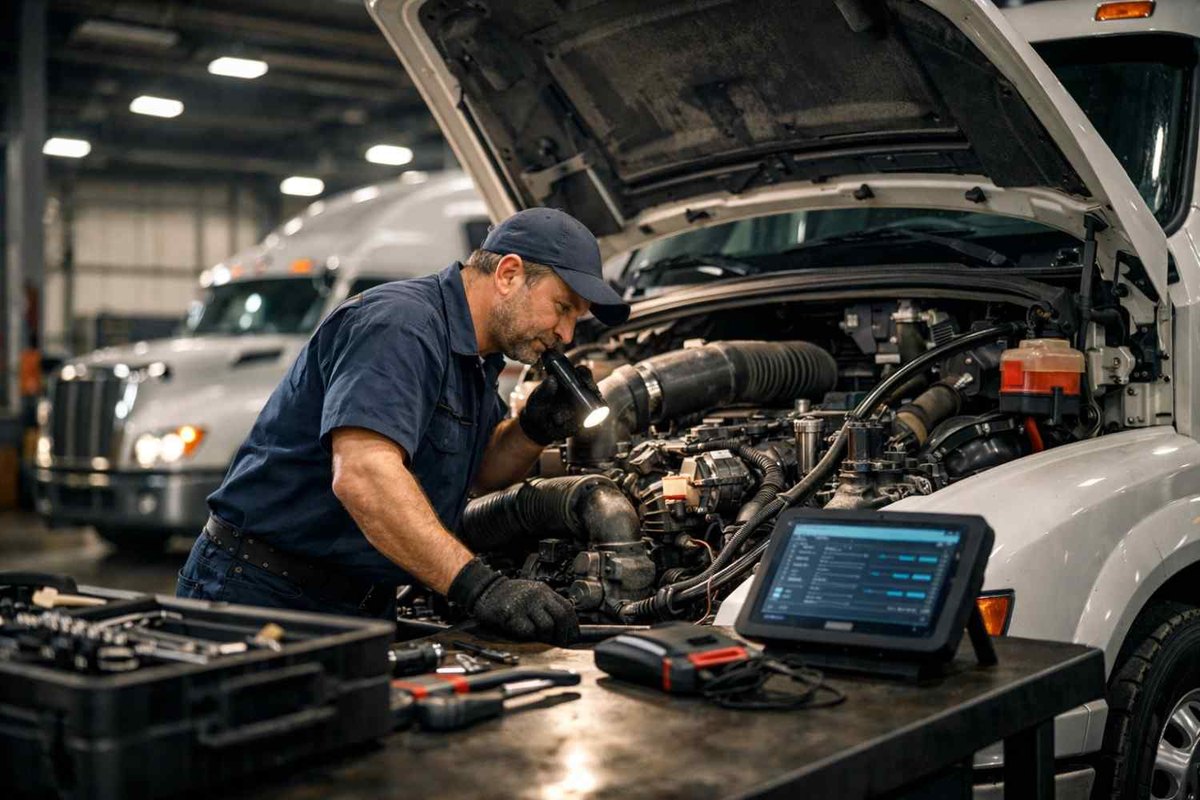
Routine Ford truck service and maintenance lays the groundwork for long-term durability. Shoppers comparing used trucks often search for documented service history before signing paperwork.
Buyers investing in new Ford trucks gain the advantage of starting fresh with factory-recommended intervals. Working with a reputable service center keeps inspections consistent and protects long-term reliability.
Reaching 200,000 miles demands more than oil changes. It requires mechanical awareness, responsible driving, and timely professional attention.
In This Article:
Start With a Solid Basis
Longevity begins the moment a truck enters the driveway. Buyers who choose wisely reduce future repair risks. A thorough pre-purchase inspection reveals early wear, hidden damage, and signs of neglect.
Maintenance records tell a story; frequent fluid changes and documented repairs indicate responsible ownership.
Those purchasing brand-new vehicles gain the benefit of break-in guidance from the manufacturer. Following factory mileage milestones prevents premature engine strain.
Owners of pre-owned models can still achieve impressive mileage by catching up on overdue services immediately after purchase. A strong start prevents small concerns from turning into major expenses later.
Respect Oil Change Intervals
Engine oil acts as a protective barrier between moving metal components. Fresh oil reduces friction and limits internal heat buildup. Skipping changes leads to sludge formation, restricted oil passages, and accelerated wear.
Drivers who strive for 200,000 miles track oil changes carefully. Severe-duty use such as towing, hauling heavy cargo, or frequent stop-and-go traffic may require shorter intervals. Checking oil levels monthly adds another layer of protection.
High-quality filters matter as much as the oil itself. Cheap components can collapse or clog, reducing circulation and exposing engine parts to damage.
Monitor Cooling System Health
Overheating shortens engine life dramatically. The cooling system regulates temperature through coolant flow, radiator performance, and thermostat operation. Old coolant loses its protective properties and can corrode internal passages.
Periodic coolant flushes remove contaminants that build up over time. Hoses and belts deserve inspection at regular intervals. Small cracks or soft spots signal that replacement should not be delayed.
Radiator fans and water pumps must operate correctly to prevent spikes in temperature. A single overheating event can cause warped components that reduce long-term reliability.
Protect the Transmission
Transmissions absorb immense stress, especially in trucks used for towing or hauling. Clean transmission fluid supports smooth gear changes and reduces internal wear. Dark or burnt-smelling fluid signals that service is overdue.
Automatic systems rely on fluid pressure to shift properly. Low levels or contaminated fluid can lead to slipping gears and overheating. Manual transmissions require clutch inspections and periodic fluid replacement as well.
Ignoring early warning signs such as delayed shifts or unusual vibrations often leads to expensive repairs that could have been avoided.
Pay Attention to the Drivetrain
Differentials, transfer cases, and drive shafts transfer power from the engine to the wheels. These components operate under heavy load and require fluid changes at manufacturer-recommended intervals.
Trucks used for off-road driving or frequent towing experience additional strain. Dirt, water intrusion, and heavy torque demand closer monitoring. Fresh lubricant reduces friction and extends the lifespan of parts and systems.
Unusual noises during acceleration or turns should prompt immediate professional evaluation.
Brake System Maintenance Matters
Brake components wear down gradually, making them easy to overlook. Pads, rotors, and calipers must be inspected regularly. Worn brakes increase stopping distance and place stress on surrounding parts.
Brake fluid absorbs moisture over time. Excess moisture lowers boiling point and affects performance under heavy braking. Periodic fluid replacement preserves responsiveness.
A well-maintained brake system supports safety and protects suspension components from unnecessary strain.
Keep Suspension and Steering Tight
Suspension systems absorb impact from road surfaces. Worn shocks and struts reduce ride stability and accelerate tire wear. Steering components such as tie rods and ball joints influence alignment and handling precision.
Misalignment causes uneven tire wear and reduces fuel efficiency. Regular checks extend tire life and improve control. Ignoring clunks, rattles, or steering looseness often results in larger mechanical issues later.
Invest in Quality Tires
Tires directly influence performance and safety. Proper inflation improves fuel economy and reduces uneven tread wear. Monthly pressure checks prevent premature sidewall damage.
Rotating tires at recommended intervals distributes wear evenly. Balanced wheels reduce vibration and protect suspension parts.
Drivers who select tires rated for their truck’s weight and usage demands reduce strain on drivetrain components.
Drive With Mechanical Sympathy
Driving style plays a large part in long-term durability. Rapid acceleration, hard braking, and aggressive cornering stress components unnecessarily. Gradual throttle input and smooth braking preserve mechanical parts.
Allowing the engine to warm up briefly in cold weather supports proper lubrication. Shutting off a heavily worked engine immediately after towing can trap heat; giving it time to cool reduces stress.
Consistent habits over thousands of miles influence overall lifespan more than occasional maintenance visits.
Take Care of Small Issues Early
Minor warning lights or unusual sounds should never be ignored. A small oil leak can grow into engine damage if left unresolved. Vibrations may indicate imbalance, worn mounts, or alignment problems.
Professional diagnostics identify problems before they escalate. Early repairs cost less and prevent cascading failures that shorten vehicle life.
Regular inspections catch hidden wear that drivers might not notice during daily use.
Maintain Detailed Service Records
Documentation supports resale value and keeps maintenance on schedule. Organized records help technicians track patterns and recommend timely services.
Digital reminders simplify mileage tracking. Owners who review records annually gain clarity about upcoming maintenance needs.
Clear documentation also benefits buyers who later search for well-maintained vehicles with high mileage potential.
Protect the Exterior and Frame
Corrosion weakens structural components over time. Washing the undercarriage removes road salt and debris that accelerate rust formation. Protective coatings and periodic inspections preserve frame integrity.
Paint damage should be repaired promptly to prevent exposure to moisture. Weather seals around doors and windows require inspection to avoid water intrusion.
A clean exterior reflects attentive ownership and often mirrors mechanical care beneath the surface.
Use Genuine Parts and Skilled Technicians
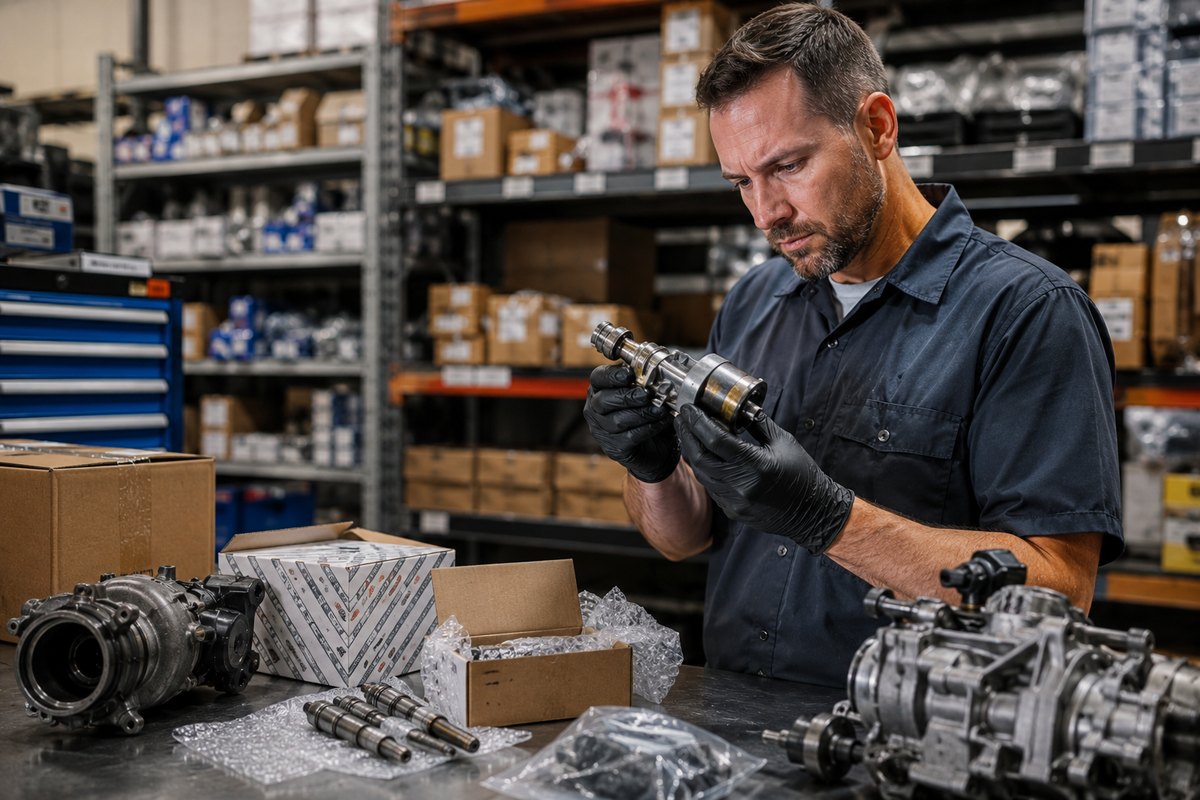
Quality replacement parts are most often in keeping with manufacturer specifications. Aftermarket components differ widely in durability and fit. Skilled technicians familiar with truck platforms recognize early warning signs others may overlook.
Professional inspections detect subtle wear patterns that indicate deeper concerns. Expert service extends the lifespan of major systems and keeps performance consistent. A disciplined service partnership builds confidence in long-term reliability.
Plan for the Long Term
Reaching 200,000 miles requires consistency. Skipping even small services compounds wear over time. Owners who budget annually for maintenance avoid deferred repairs that lead to breakdowns.
High mileage trucks often remain dependable when properly maintained. Many drivers pass 200,000 miles with original engines and transmissions because they followed factory guidelines closely.
Longevity does not happen by chance. It develops from smart decisions, responsible driving, and professional oversight throughout ownership.
The Formula for Reaching 200,000 Miles
Drivers who commit to structured upkeep, careful operation, and proactive repairs greatly increase their odds of long-term success. Every system in a truck works together; neglecting one area affects others.
Consistent attention, professional servicing, and thoughtful driving habits form the formula for lasting performance. Those willing to stay disciplined can confidently make their trucks part of their lives for years and hundreds of thousands of miles.