

There is a certain comfort in holding onto an old car. It is familiar, paid off, and often tied to years of memories.
Many drivers convince themselves that keeping it longer is the smartest financial move. After all, no monthly payments should mean more money saved.
But that assumption does not always hold up. As vehicles age, the costs do not disappear; they simply change form.
What looks like savings on the surface can quietly turn into a steady drain on your finances, your time, and even your safety.
In This Article:
The Illusion of Saving Money
At first glance, an older car seems like a budget-friendly choice. Without loan repayments, every drive feels cheaper. However, this line of thinking often overlooks the bigger picture.
The real cost of owning a car includes everything from maintenance and fuel to reliability and long-term value. Older vehicles tend to rack up frequent minor expenses that are easy to overlook.
A new battery here, brake repairs there, a sensor replacement next month. Individually, they seem manageable. Together, they tell a different story.
Over time, these ongoing costs can rival or even exceed what you would spend on a newer, more efficient vehicle.
Rising Maintenance and Repair Costs
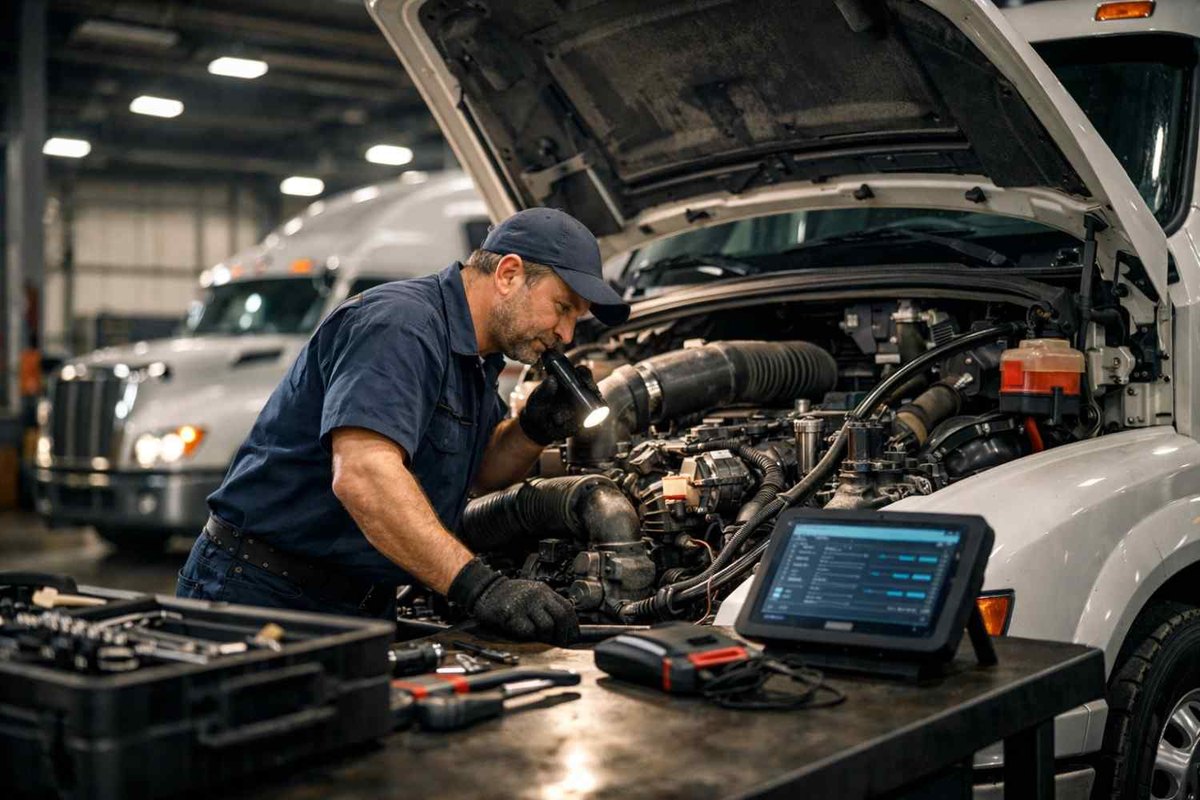
As cars age, wear and tear become unavoidable. Parts begin to fail more often, and repairs shift from occasional fixes to a regular pattern. What used to be a once-a-year service can turn into multiple workshop visits within months.
It is not just the frequency of repairs that matters, but also their unpredictability.
One week it is a minor issue, the next it could be a major component like the transmission or engine. These larger repairs can be costly enough to outweigh the value of the car itself.
There is also the inconvenience factor. Time spent arranging repairs, waiting for parts, and dealing with unexpected breakdowns adds a layer of stress that is easy to underestimate.
Fuel Efficiency and Daily Running Costs
Older vehicles are rarely as efficient as modern ones. Advances in engine design and technology have significantly improved fuel economy over the years. That means an aging car often consumes more fuel for the same distance.
While the difference per trip might seem small, it adds up quickly. Over months and years, higher fuel consumption becomes a consistent and unavoidable expense.
In addition, older engines tend to produce more emissions, which not only impacts the environment but can also lead to higher running costs depending on local regulations and maintenance needs.
Safety Risks You Might Be Overlooking
One of the most important factors often overlooked is safety. Vehicle safety standards have improved dramatically, and features that are now considered essential were not always standard in older models.
Modern cars include advanced systems designed to prevent accidents or reduce their impact. Without these features, older vehicles may leave drivers more vulnerable on the road.
Even if your car feels reliable, the lack of updated safety technology can carry a hidden cost, one that goes beyond money and into personal well-being.
The Environmental Cost of Holding On
Keeping an older car on the road longer can also have environmental consequences. Aging engines are typically less efficient and produce higher levels of emissions. This contributes to a larger carbon footprint over time.
There is also the question of what happens at the end of a vehicle’s life. When handled properly, many parts and materials can be recycled or reused.
Delaying this process can reduce the potential value of those components and increase waste.
Choosing the right time to move on is not just a financial decision; it is also an environmental one.
The Opportunity Cost of Waiting Too Long
Every year you hold onto an aging car, its value continues to decline. Eventually, it may reach a point where it has little to no resale value, especially if major components begin to fail.
Acting earlier can make a difference. Even older vehicles often contain usable parts or recyclable materials that still hold value. Waiting too long can mean missing the opportunity to recover some of that worth.
It also delays your ability to transition to a more reliable and efficient option, which can have long-term benefits.
A Smarter Way to Move On From an Old Car
Letting go of an old car does not have to be complicated. Many drivers hesitate because they assume the process will be time-consuming or difficult, especially if the vehicle is no longer running.
In reality, there are practical options that remove much of the hassle. Services offering free car removal allow you to dispose of your vehicle without worrying about transport or logistics.
This can be especially useful for cars that are no longer roadworthy.
Instead of dealing with ongoing repairs and uncertainty, you can clear space, reduce stress, and move forward with a cleaner slate. It is a simple step that can bring both financial and practical relief.
Making the Right Call: Repair, Replace, or Let Go
Deciding what to do with an old car is not always straightforward, but a few key considerations can help guide the choice:
- Compare the cost of repairs with the overall value of the vehicle
- Look at how often issues are occurring and whether they are becoming more frequent
- Consider safety and reliability for everyday use
- Think about the long-term financial impact, not just immediate costs
If the balance is tipping toward higher expenses and lower reliability, it may be time to reconsider your options.
Conclusion
Holding onto an old car can feel like a sensible decision, but the hidden costs often tell a different story.
From rising repair bills and fuel inefficiency to safety concerns and lost value, the impact builds gradually over time.
Making a proactive decision allows you to regain control, reduce unnecessary expenses, and explore better alternatives.
Sometimes, letting go is not about losing something familiar, but about making room for a smarter, more sustainable choice.