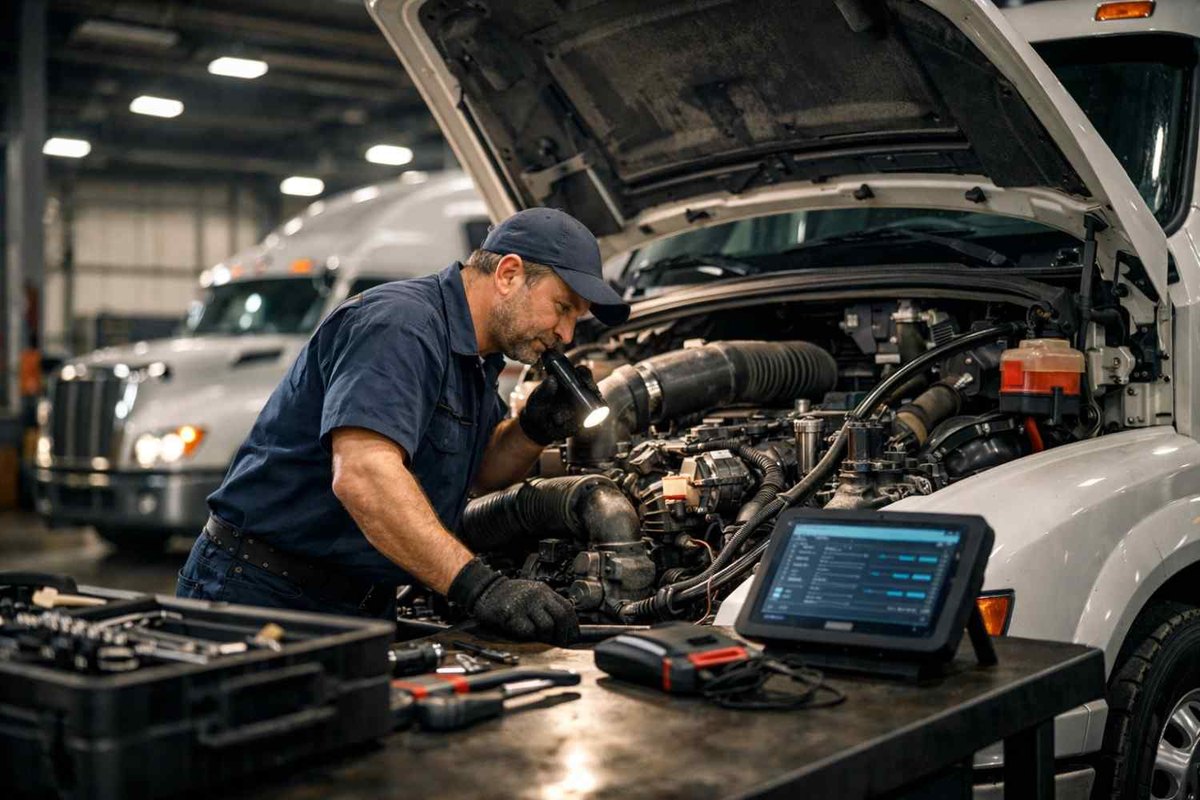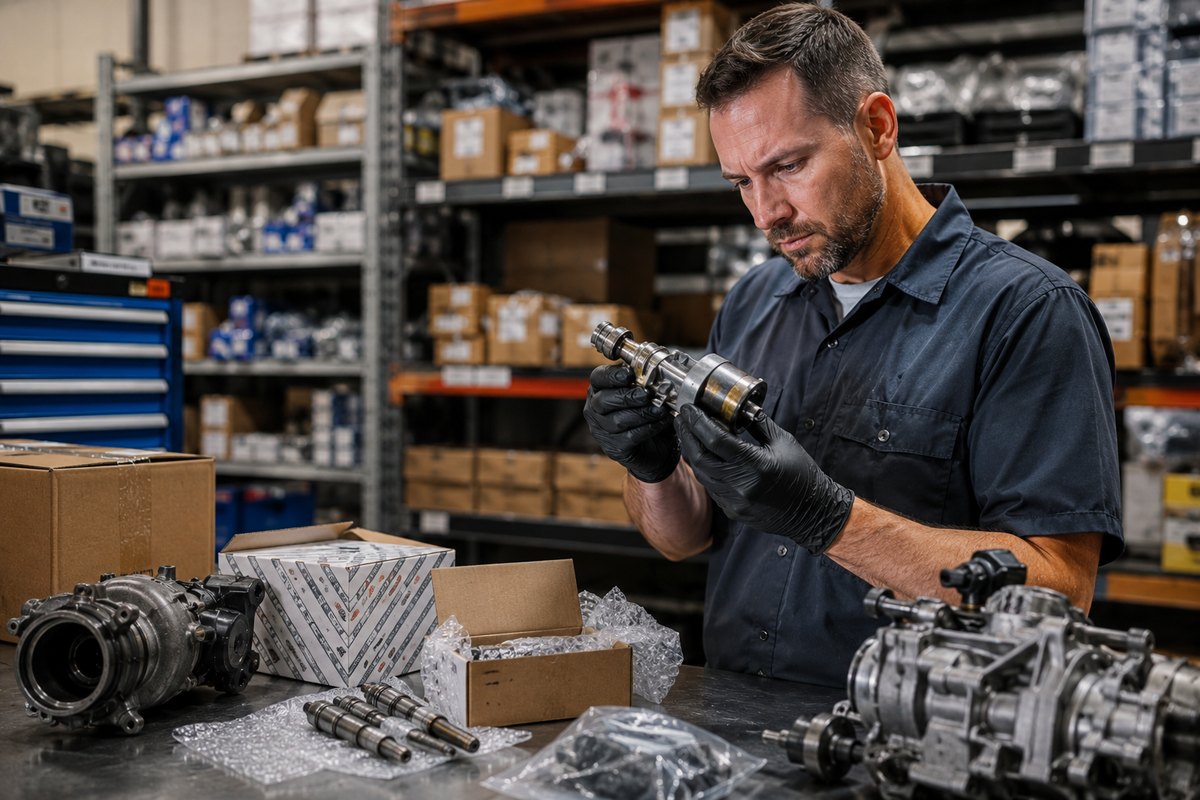


Choosing the right toolbox for your truck is a serious decision, especially when your job depends on it. The choice of material does count – steel, aluminum, or plastic – but it depends on how and where you are going to use your tools.
In This Article:
Steel Toolboxes: Made to Take a Beating
Professionals who do not want to skimp on strength have always turned to steel. And its greatest selling point? Pure toughness. A heavy-duty steel box with drawers can carry bulky equipment, maintain its form, and protect from potential theft. When you are carrying power equipment that is worth a small fortune, such a defense is a great perk.
Steel is ready for a tough job. Falling tools, wobbling – it simply absorbs the shock and continues to serve, without breaking or bending. Such a degree of reliability comes in handy on real job sites.
However, there is the other side of the coin: steel is heavy. A steel toolbox will add a reasonable amount of weight to your truck, reducing your fuel economy and payload capacity. Installation or removal of one normally needs some muscle (or backup).
There is a rust-related concern to deal with, too. Steel may eventually corrode – particularly along the coast or in damp areas. Servicing is a bonus, but an additional burden. Nevertheless, when toughness and security are put first, steel is difficult to beat.
Aluminum Toolboxes: Smaller, Smarter, Easy to Maintain
Many truck owners have made aluminum toolboxes their new favorite, and it is easy to understand why. They have a reasonable balance between weight and strength. Aluminum can withstand the requirements of the majority of jobs and will not slow down your truck or back, and it does not require any special tools to install.
Corrosion resistance is the most remarkable characteristic in this case. Aluminum won’t rust. Rather, it creates its own protective coating through exposure, and this implies that it remains appearing good and intact even when wet or in salty environments. It is an excellent choice in case your toolbox is going to spend the season or two outside.
Lightness also implies that your truck has to work a little less; it will get better fuel economy, and you will not experience the weight as much in the long run. When you have a long route to follow, or you have service vehicles running daily, that advantage will work quickly.
There are some drawbacks, however. Aluminum is not as strong as steel. In the case of a bump, a dent will form, and thinner boxes will bend when you stack too much weight. Nevertheless, for many people, aluminum meets all the criteria for a reliable, easy-to-maintain material.
Plastic Toolboxes: Light and Easy on Your Pocket
Plastic toolboxes focus on convenience and ease of handling. Most importantly, they are light. You can lift one up, install it, or even pull it out of your truck with hardly any effort. That convenience is hard to argue with, especially when you are only on the road with your tools once in a while, or you are not transporting heavy equipment.
It is not only the weight that gives plastic an advantage. The material does not rust and resists rain and wet weather. Modern plastic toolboxes tend to incorporate tougher plastics, such as high-density polyethylene or reinforced polymers, and are therefore strong enough to handle basic tasks.
Another major plus is price. Plastic toolboxes are the least expensive of all the possible choices. That is why they are a good choice for those who do not want to spend much but only to get basic storage.
But plastic does have its limits. It is not as hard as metal, and so it may break when you drop something heavy on it. The material can fade or deform when exposed to the sun for too long. Security is low as well – it will not hold against a thief as well as a steel toolbox with a lock would. Plastic should be used to store small tools and light-duty items only.
What Toolbox Is Right for You?
The only difference between the toolboxes lies in your work requirements. When you carry heavy, high-cost equipment or when you are in the construction business, nothing can be stronger or safer than steel. It is perfect to pair with rough work and tool safety.
When you need something reliable but not so expensive, aluminum tends to strike that balance. It is convenient to the contractors, technicians, or anyone who carries work gear but does not want the weight bearing them down. Most professionals settle on aluminum for everyday work needs.
A plastic toolbox meets lighter demands. They are good for basic work, occasional use, or as a backup storage. When friendly budget and portability are more important than brute power, then plastic checks those boxes. It will not be able to withstand tough work conditions for years, but it is not a deal-breaker to many people.
Remember: climate is also an issue. Aluminum and plastic last longer than steel in wet or salty conditions since rust is not a problem. Steel is a better choice in dry conditions as it maintains its structural advantages.
Installation, Maintenance, and Long-Term Value
Installation depends largely on weight. The ones made of steel are so heavy that you may need a little assistance. Aluminum and plastic are easier to handle – in many cases, only one person is required for installation, which is beneficial when you swap things around frequently.
Another difference is in taking care of different materials. Steel requires a little care – check if no rust has occurred; repaint the box occasionally if needed. Plastic and aluminum only require a quick wash. Less bother in the long run means easier care (and it is likely to save some money, as well).
The durability of your toolbox is determined by how abusive the work is. A steel box will last decades and can handle almost any work. Aluminum is also quite reliable, and it requires less maintenance. Plastic will not last as long, particularly when you stuff it full or keep it in direct sunlight, but it does the job when you need it on a light, daily basis.
The Final Word
Steel is strong and offers the highest level of security, aluminum alloys are tough and less heavy, and plastic materials are light and affordable. The choice all comes down to what you really need. The right kind of toolbox is the one that fits your working style and becomes a useful add-on that makes your day easier.