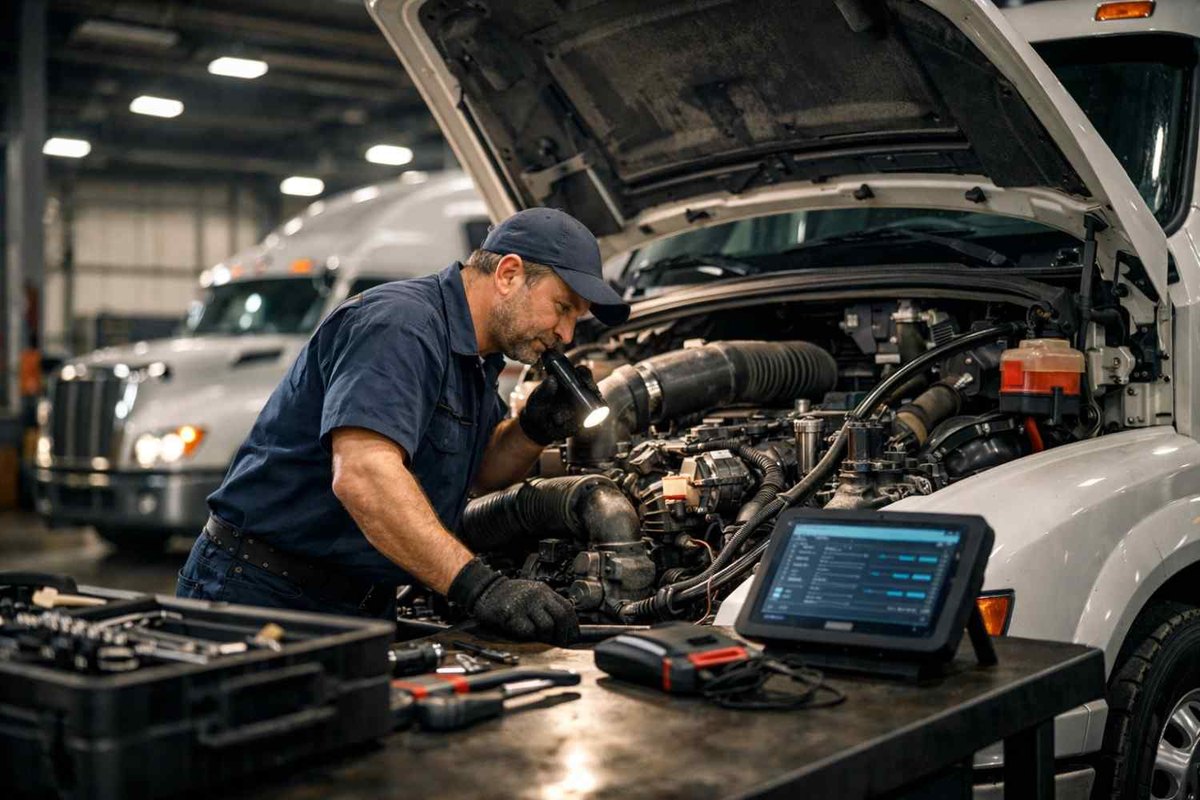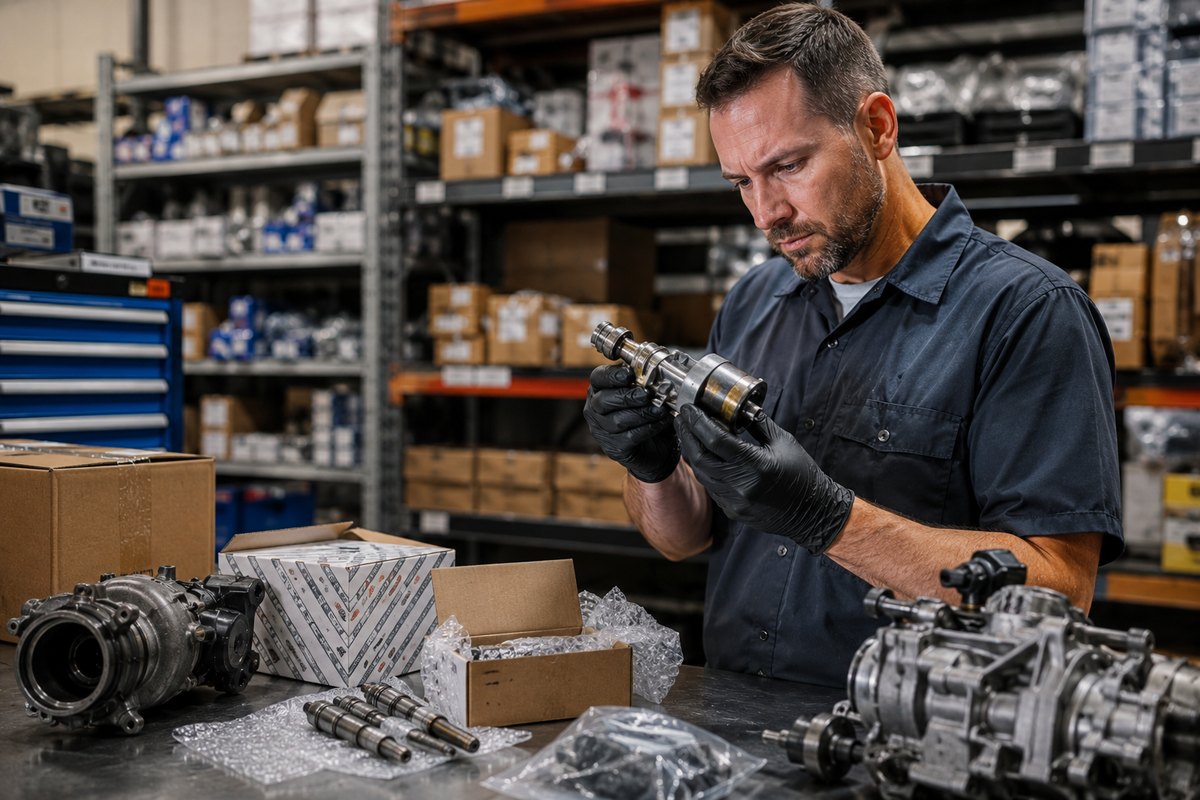


Experiencing a vibrating steering column is a clear signal that your vehicle’s braking system needs immediate attention to ensure passenger safety. If your car exhibits this vibrating sensation, you should seek professional brake repair Houston to diagnose whether the issue stems from the rotors or calipers. Ignoring these tremors can lead to decreased stopping power and increased wear on your front-end suspension components. By identifying the root cause early, you can avoid costly mechanical failures on the road.
In This Article:
Common Causes of a Steering Wheel Shaking
Identifying the source of a vibration requires a systematic look at the mechanical components that interface during a stop. While several variables can contribute to a shaky steering rack, most issues stem from the friction points within the wheel assembly. A trusted auto repair Houston shop can inspect these components thoroughly and pinpoint the exact cause before further damage occurs.
Warped Brake Rotors
Overheated rotors can warp, creating “high spots” that prevent a flush connection with the brake pads. As the pads clamp down on this uneven metal, the vibration is sent through the suspension and up the steering column.
- Heat Stress: Caused by aggressive braking or mountain driving.
- Metal Fatigue: Thinner rotors warp more easily under high temperatures.
Worn Brake Pads
Brake pads at the end of their life lose their flat friction surface, leading to inconsistent contact with the rotor. This lack of grip causes the caliper to “chatter,” manifesting as a noticeable shake in your hands.
- Thin Material: Inadequate padding leads to poor heat dissipation.
- Glazing: Overheated pads become smooth, causing the brakes to slip.
Visit Eric’s Car Care to learn how these braking components work together and can help you recognize early warning signs and decide when a simple fix is possible versus when professional service is necessary.
Out-of-Balance Tires
If your tires are not weighted correctly, the centrifugal force creates a wobble that is magnified when you apply the brakes. While it happens at high speeds, the added load of braking makes the vibration significantly worse.
- Vibration: Usually starts around 55 mph and peaks during deceleration.
- Solution: Requires a professional wheel balance and rotation.
Misaligned Wheels
When wheels aren’t pointing in the same direction, braking force causes the tires to “scrub” against the pavement. This conflict between the rubber and the road results in a pull or a shake in the steering.
- Suspension Stress: Puts extra pressure on tie rods and ball joints.
- Symptoms: Uneven tread wear and a car that “darts” while stopping.
Loose Wheel Bearings
Wheel bearings allow wheels to rotate smoothly, but once they wear out, they allow for “play” within the hub. This looseness causes the wheel to wobble during the high-stress moments of braking or turning.
- Safety Risk: Severe wear can cause the wheel assembly to fail.
- Sound: Often accompanied by a low humming or growling noise.
How to Fix a Steering Wheel
Restoring a smooth driving experience involves addressing the specific friction or alignment issues detected during your inspection. Most solutions focus on renewing the contact surfaces between your pads and rotors or recalibrating the wheel assembly to ensure even weight distribution.
- Rotor Resurfacing or Replacement: If rotors are thick enough, they can be machined to a flat surface; otherwise, installing new rotors is the only way to eliminate high spots.
- Brake Pad Installation: Swapping out worn or glazed pads for high-quality replacements ensures a consistent grip and reduces caliper chatter.
- Wheel Balancing and Alignment: Correcting the weight distribution of your tires and adjusting the steering geometry prevents the wheels from scrubbing and wobbling under load.
- Component Lubrication: Cleaning and greasing caliper slide pins prevents sticking, ensuring that hydraulic pressure is applied evenly across the entire rotor surface.
Takeaways
- Warped rotors are the #1 cause of steering wheel shake during braking.
- Replacing worn pads early prevents expensive rotor and hub damage.
- Always ensure tires are balanced and aligned to rule out suspension issues.
- A minor “tingle” can quickly turn into a dangerous loss of steering control.