

The windshield replacement process involves a series of precise steps to ensure safety and quality. It starts with an assessment to determine if repair or replacement is needed, followed by the careful removal of the damaged glass. The frame is then cleaned and prepped, and a new windshield is installed using high-grade adhesives. After installation, the adhesive cures, and a final inspection confirms the work’s quality. This ensures your vehicle is safe and road-ready.
A cracked or chipped windshield can quickly escalate from a minor inconvenience to a major safety hazard. Whether it’s caused by flying debris on the highway or extreme temperature changes, addressing the issue promptly is essential. The windshield replacement process not only restores visibility but also maintains the structural integrity of your vehicle.
For drivers across Canada, understanding how to replace windshield can make all the difference in choosing the right service. For instance, professionals offering windshield replacement in Calgary emphasize precision and quality, ensuring every step – from assessment to installation – is handled with care. In this guide, we’ll break down each phase of the process, helping you gain insight into what goes into a seamless windshield replacement. Let’s get started!
In This Article:
Step 1: Initial Assessment – Repair or Replace?
Before diving into the windshield replacement process, it’s crucial to determine whether your windshield can be repaired or if a full replacement is necessary. This decision hinges on several factors that professionals evaluate during the initial assessment.
For instance, small chips or cracks – typically smaller than a quarter or under three inches in length – can often be fixed through a simple repair. However, damage located in the driver’s line of sight, or cracks that are spreading, usually require a complete windshield glass replacement. The goal is to ensure both safety and clarity while avoiding further complications down the road.
Step 2: Removing the Old Windshield
Once it’s determined that a full windshield replacement is necessary, the next step in the process is removing the damaged glass. This phase requires precision and care to avoid causing further damage to the vehicle’s frame or surrounding components.
Technicians use specialized tools to cut through the adhesive bonding the old windshield to the frame. This ensures the glass can be removed without leaving residue or causing structural harm. It’s important to note that attempting this step without proper training can lead to costly mistakes, such as damaging sensors or cameras embedded in modern windshields.
After the windshield is detached, any leftover adhesive is carefully scraped off to prepare the frame for the new installation. Proper removal sets the stage for a seamless windshield installation, ensuring the new glass fits securely and functions as intended.
Step 3: Preparing the Frame for Installation
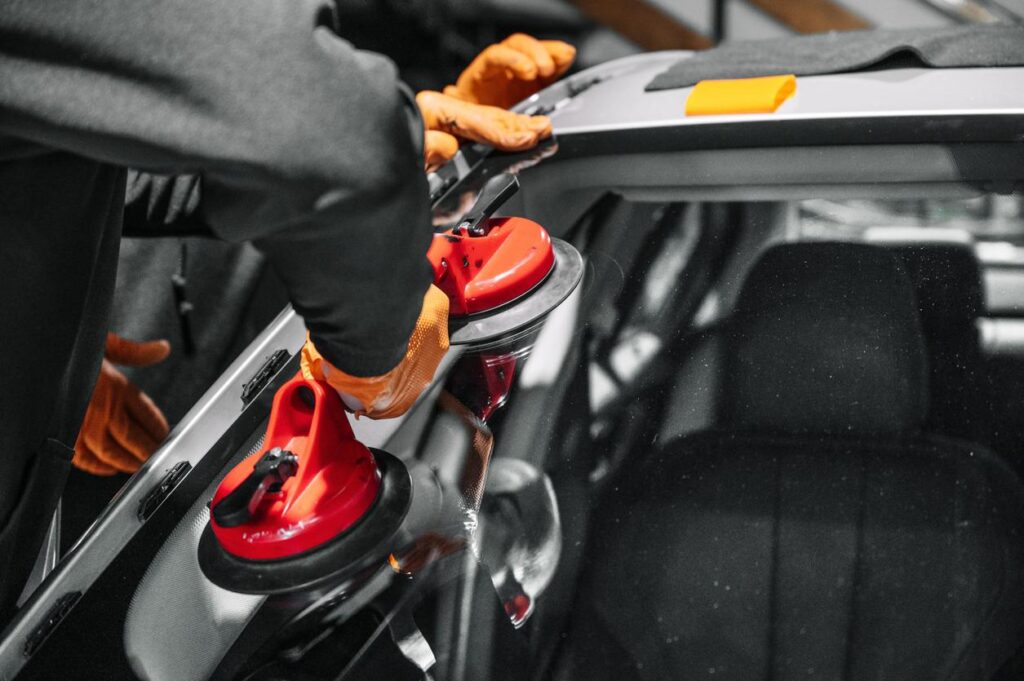
Once the old windshield is removed, the next critical step in the windshield replacement process is preparing the frame for the new glass. This phase ensures a secure and long-lasting installation, as any imperfections or debris left behind can compromise the fit and safety of the new windshield.
The preparation process involves several meticulous steps:
- Thorough Cleaning: Technicians clean the frame to remove dirt, rust, or remnants of old adhesive. This creates a smooth surface for the new windshield to bond with.
- Inspection for Damage: The frame is carefully inspected for signs of corrosion or structural issues. Addressing these problems before installation prevents future complications.
- Priming the Surface: A primer is applied to the frame to enhance adhesion between the metal and the bonding agent. This step is crucial for ensuring the windshield remains securely in place, even under stress.
Step 4: Installing the New Windshield
With the frame prepped and ready, the next step in the windshield replacement process is installing the new windshield. This phase is where precision and expertise truly shine, as even minor errors can compromise safety and performance.
The installation process involves several key steps:
Selecting High-Quality Glass
Professional technicians prioritize using high-quality glass that meets or exceeds OEM (Original Equipment Manufacturer) standards. This ensures the replacement windshield provides optimal clarity, durability, and resistance to environmental stressors.
Applying Adhesive
A specialized automotive-grade adhesive is applied to bond the windshield securely to the vehicle’s frame. This adhesive not only holds the glass in place but also contributes to the structural integrity of the vehicle, especially during collisions.
Positioning the Windshield
Once the adhesive is applied, the new windshield is carefully positioned onto the frame. Technicians ensure precise alignment to avoid issues like air leaks or improper sealing. For modern vehicles equipped with advanced driver-assistance systems (ADAS), accurate placement is critical to maintaining the functionality of sensors and cameras mounted near the windshield.
Step 5: Curing and Final Inspection
After the new windshield is installed, the curing process begins – a critical step that ensures the adhesive bonds properly and the windshield remains secure. This phase is often overlooked but plays a vital role in the overall safety and longevity of the replace car windshield.
Allowing Adequate Curing Time
Most modern adhesives used in windshield installation cure within an hour, but technicians often recommend waiting longer before driving the vehicle. This allows the adhesive to reach its maximum strength, ensuring the windshield can withstand the stresses of everyday driving. Factors such as temperature and humidity can influence curing times, so it’s important to follow your technician’s advice for optimal results.
Conducting a Final Inspection
Once the adhesive has cured, a comprehensive final inspection is performed to ensure the quality of the installation. Technicians check for:
- Proper Alignment: The windshield should sit flush with the frame, with no gaps or misalignments.
- Seal Integrity: A thorough examination ensures there are no air bubbles or leaks that could compromise the windshield’s performance.
- Functionality of Components: For vehicles equipped with ADAS sensors, technicians verify that these systems are calibrated and functioning correctly after the replacement.
Conclusion: Ensuring Safety and Longevity
A car windshield replacement is not a mere repair job; a windshield replacement is an investment in your safety, vehicle life and in your peace of mind. Not only does having a broken windshield disrupt visibility, but it also compromises the material strength of your car; thus, it is important to immediately replace it. Through the knowledge of windshield replacement processes, including preliminary evaluations with quality and reliability in mind, you can make wise choices.
Whether it is just a small chip or a full crack, an immediate intervention helps stop as much damage as possible and helps keep your vehicle safe on the road. Optimally, the current windshield installation should be cut off to handle the needs of the daily road usage, and at the same time, be low in cost and longevity since the current adhesive technologies and longer-lasting replacement glass are easily accessible and of good quality.
Note that the secret to an effective windshield replacement process is selecting an experienced technician who utilizes the best material and practices in the industry. In doing this, you are able to drive without having any fear that whatever the road throws at you, your vehicle is prepared to handle it.