

Ever wondered what makes a high-performance engine tick?
There’s one part that every hustling engineer knows about. The fuel injection pump. This component is tasked with supplying the engine with fuel at just the right pressure.
It’s what allows the air fuel mixture combustion process to happen correctly.
Here’s the deal…
Air fuel mixture combustion is the holy grail of engine performance. Get it right and you’re rewarded with horsepower gains, better fuel economy and clean tailpipe emissions. Get it wrong and your engine will bog down.
The fuel injection pump makes sure you always #JustGiveItFuel
What you’ll learn:
The Function of a Fuel Injection Pump
First off, what does a fuel injection pump do?
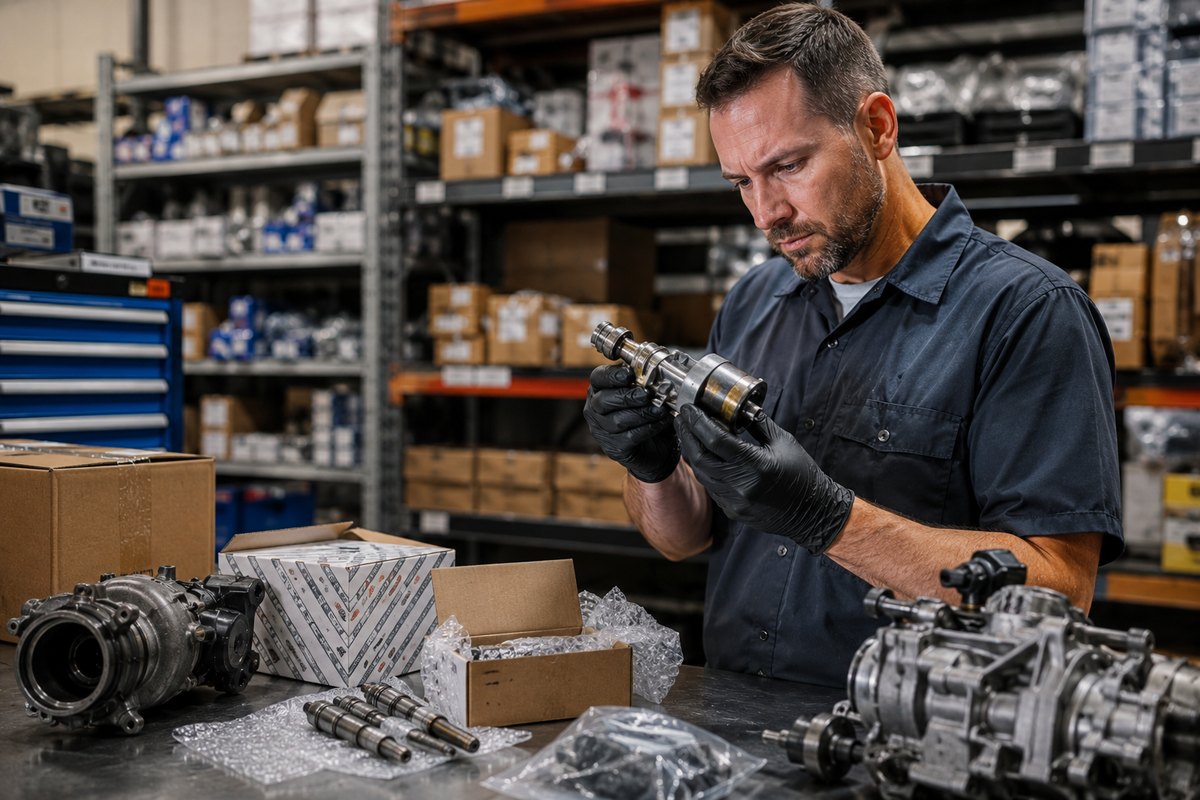
Basically it pressurises fuel then delivers it into the injectors at just the right moment. This tells the injectors to spray fuel into the combustion chamber where it will mix with air and ignite.
…but here’s the kicker…
The purpose of the fuel injection pump is to regulate the fuel pressure, timing and volume which enters the combustion chamber, experts such as GoldFarb Inc explain that when you get air fuel mixture combustion just right, engine power is maximised while minimising fuel waste.
That’s why high-performance engines are so dependent on having a quality fuel injection pump. You need something you can trust to deliver the perfect fuel charge to the combustion chamber every time. Precisely.
Why Air Fuel Mixture Combustion is so Important
Here’s the thing…
If you don’t get the air fuel mixture combustion process right, you’ll never reach your engine’s full performance potential. It’s that simple. For the combustion process to be efficient, you need the perfect ratio of air to fuel.
If there is too much or too little fuel, it doesn’t take long to see the problems.
A poor air/fuel mixture will cause:
- Loss of horsepower/torque
- Higher emissions
- Poor fuel economy
- Accelerated engine wear and tear
Fuel injection pumps are designed to address this problem by precisely controlling fuel delivery with electronic controls. They can react instantly to changes in engine load, temperature and throttle position.
This allows for a clean, powerful burn every time. When your combustion chamber is running on premium fuel mixtures, you’ve got yourself a high-performance engine.
Fuel injection systems also provide 5-10% better fuel economy than carburetted engines. Improved economy is another side effect of precise air fuel mixture combustion.
How Fuel Injection Pumps Power High Performance Engines
It all starts with fuel. If you want to build a beast of an engine, you have to have fuel delivery on lock.
Consider this:
A stock engine will require a reliable fuel supply at fairly low pressure. But what happens when you drop a turbo on that engine or start tuning it?
You’re asking much more fuel to be delivered at a much higher pressure. The fuel injection pump has to rise to the occasion.
Performance fuel pumps are built to handle higher pressures than their consumer-grade counterparts. Take common rail systems for example. These can pump fuel at pressures in excess of 200 bar. That pressure makes sure the fuel is properly atomised when it enters the combustion chamber.
Proper fuel atomisation is essential for complete combustion. When fuel isn’t burned completely it’ll lessen your engine’s power output. By ensuring proper air fuel mixture combustion, high-quality fuel injection pumps can maximise power every time you punch the throttle.
Fuel injection pumps are in such high-demand that the global fuel injection pump market was estimated at $25.5 billion in 2023 and expects to continue growing.
Types of Fuel Injection Pumps
Fuel injection pumps come in a few different varieties. Not all pumps are built the same way. Each is designed to suit the needs of the engine it fits.
There are three main types of fuel injection pumps:
- Inline Fuel Injection Pumps: These have individual pumping elements for each cylinder in the engine. They’re very reliable and are commonly used in heavy-duty diesel engines.
- Rotary Distributor Pumps: These use a single pumping element to feed all of the engine’s cylinders. These systems are generally more compact and better suited for lighter applications.
- Common Rail Pumps: By far the most advanced type of fuel injection pump. Common rail systems keep fuel at a constant high pressure inside of a rail that connects to all of the cylinder’s injectors.
These fuel injection systems give you the greatest precision when it comes to air fuel mixture combustion.
While there are advantages to each type of pump… if you’re after maximum power and efficiency… common rail fuel injection systems are the way to go.
Maintenance Tips to Keep Your Engine Humming
Keep your engine running strong by caring for your fuel injection pump. The most important part of any maintenance regime is preventing damage before it happens.
Follow these simple tips to keep your engine on point:
- Use clean high quality fuel. Fuel pumps hate dirt and debris. Foreign contaminants can wear out your pump and clog your injectors.
- Replace fuel filters regularly. Fuel filters help catch debris before it can enter the fuel injection system. If your fuel filter is clogged, it will restrict fuel supply to the pump.
- Monitor fuel pressure. A drop in fuel pressure is often a sign that there is a problem. Staying on top of changes in fuel pressure can save you money down the road.
- Have your system professionally inspected. Fuel injection systems are complicated and should be serviced by a professional.
Caring for your fuel pump will ensure the rest of your engine lasts as long as possible. Ensuring your engine is combusting fuel cleanly and efficiently will lead to more power, better fuel economy and lower emissions.
Bringing it All Home
So there you have it. Everything you need to know about fuel injection pumps and how they help power high-performance engines.
To sum everything up:
Fuel injection pumps take on the task of delivering fuel to your engine’s combustion chamber. Air fuel mixture combustion is the difference between your engine running rich or poor.
Without properly combusting your fuel, your engine will lose power. Fuel injection pumps used in high-performance engines must withstand high-pressure demands and rapid changes in engine load. Common rail systems are currently the best option for precision fuel delivery.
Just remember to keep your fuel injection pump maintained. Your engine will thank you for it.