
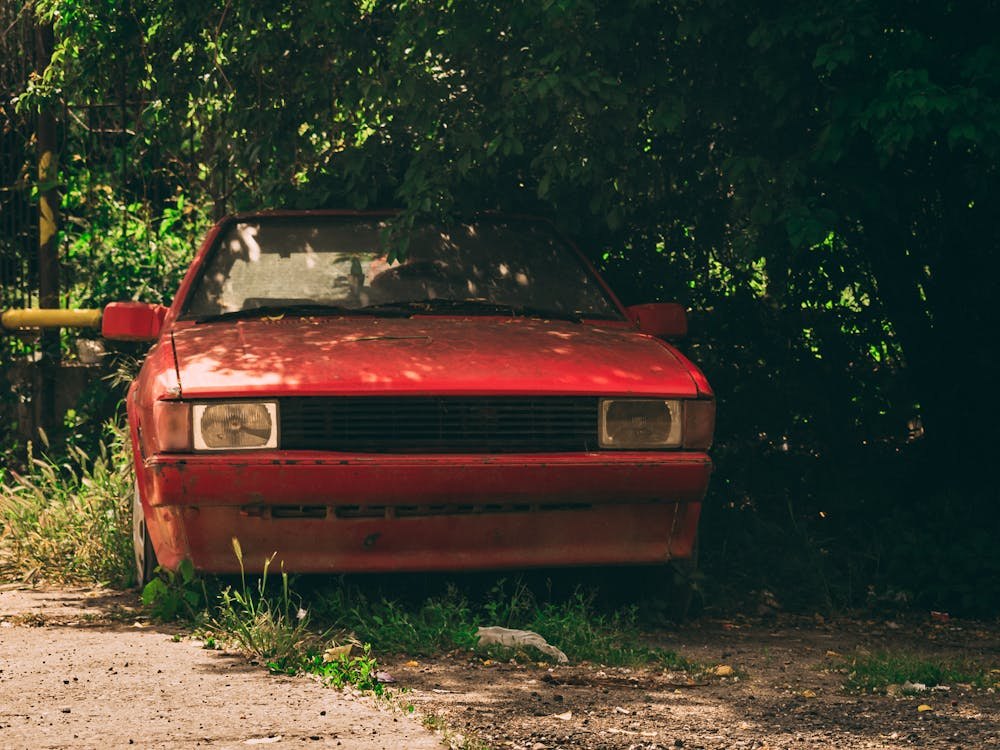
Dealing with a damaged and aging vehicle can be stressful, especially when every new repair seems to cost more than the car is worth. As your car continues to age and lose value, it may be smarter to consider other options instead of repeatedly bringing it in for repair.
If you’re wondering what to do with a damaged car, this article will walk you through the most practical choices, from fixing it and selling it as-is to trading it in or scrapping it for cash.
In This Article:
Is My Car Worth Fixing?
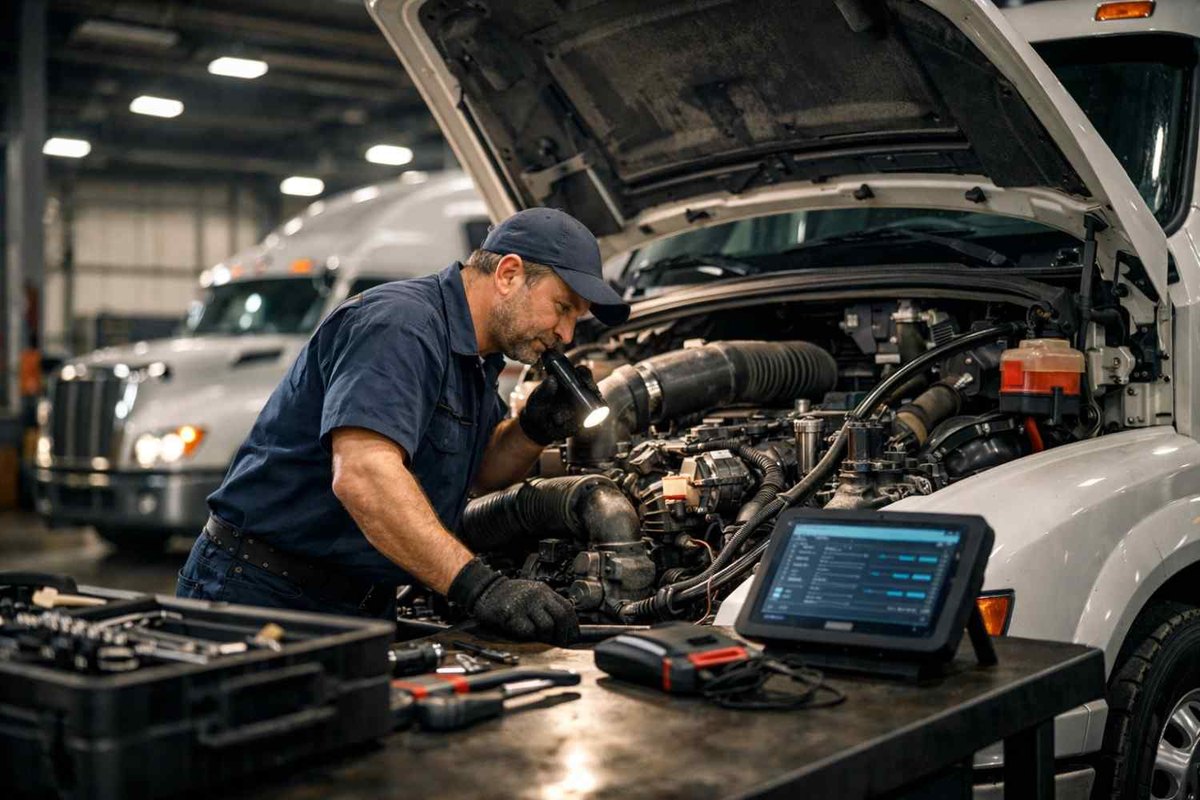
There will come a point in every car owner’s life when they must decide whether their vehicle deserves another chance or whether it is time to let it go. It is not always an obvious decision, especially if your car can still start, drive, and get you through the week. However, even with consistent car maintenance, some vehicles become too expensive or unreliable to keep fixing. Some common signs that your car may not be worth fixing are:
The repair costs are higher than the car’s value: If the estimate is close to, or more than, what the car is actually worth, repairing it may not be the smartest move. This is especially true if the vehicle is older, has high mileage, or has other problems that could lead to more repairs soon after.
It keeps breaking down: One repair is normal. Repeated breakdowns are a sign that the car may be reaching the end of its useful life. When you are constantly calling a tow truck, booking appointments, or worrying about whether the car will start, the stress can become just as costly as the repair bills.
The car no longer feels safe to drive: If you are dealing with serious issues involving the brakes, steering, frame, suspension, airbags, or warning lights, the decision is not just about money. A car that feels unpredictable on the road may not be worth the risk, even if it can still be repaired.
Rust or structural damage is getting worse: Surface rust may not be a major concern, but deeper rust can affect the frame, floor, suspension mounts, and other important parts of the vehicle. Once rust spreads into structural areas, repairs can become expensive and may not restore the car to a condition you feel confident driving.
You are spending more time and money than the car gives back: A vehicle should make your life easier, not leave you constantly planning around repairs. If keeping the car means more missed work, more stress, more shop visits, and more unexpected costs, it may be time to look at other options.
Smart Options to Dispose of an Old or Damaged Car
Keeping an old or damaged vehicle in your driveway may not seem like a serious issue but leaving it there can make things more complicated in the long run. For responsible car owners, it is better to make a practical plan while the vehicle still has some value, rather than waiting until it becomes harder to move or sell. Depending on the condition of the vehicle, your options may include:
Selling it as-is: If the car still runs or has parts that someone else can use, selling it as-is may be worth considering. This means you do not have to spend more money fixing it before the sale, but you should be honest about its condition. Clear photos, repair history, and a fair price can make the process easier.
Trading it in: A trade-in can be convenient if you are planning to buy another vehicle. You may not get the highest possible amount, especially if the car needs work, but it can save you the time and effort of finding a private buyer.
Donating it: If the car has little resale value but you do not want to deal with selling it, donation may be an option. Some charities accept older or damaged vehicles, though the process and potential tax benefit can vary depending on where you live.
Parting it out: If the vehicle has valuable components, selling individual parts may bring in more money than selling the whole car. This can work well for certain models, but it takes time, storage space, and some mechanical knowledge.
Scrapping it for cash: If the car is no longer safe, reliable, or worth repairing, you can turn your scrap car into cash. A scrap car buyer can usually remove the vehicle and pay based on its condition, weight, parts, and current scrap car value.
How to Scrap a Car for Cash & Get the Most Value from It
When a car is no longer worth repairing, scrapping it can be one of the easiest ways to clear the space and recover some value. But that does not mean you should take the first number you hear. Some vehicles still carry more value than owners realize, especially when they have usable components, recyclable metal, or complete documentation.
Here are a few things that can help you get the most value from your scrap car:
Compare offers before you agree to one: Different buyers may value the same vehicle differently, so it is worth checking more than one offer. One company may focus mainly on scrap metal, while another may see value in parts, demand for your model, or the vehicle’s overall condition.
Give accurate details about the vehicle: The more accurate your information is, the more reliable the quote will be. Be ready to share the year, make, model, mileage, damage, and whether the car is running. If the vehicle is missing major parts, it is better to mention that early so there are no surprises during pickup.
Do not remove valuable parts too soon: It may be tempting to take off parts and sell them separately, but that can lower the value of the whole car. A complete vehicle is often easier to sell for scrap, especially if it still has key components like the catalytic converter, wheels, battery, engine, or transmission.
Prepare the ownership documents: Having the right paperwork ready can make the transaction faster and cleaner. It also helps prove that the vehicle is yours to sell. Before pickup, check what documents are required in your area so the sale does not get delayed.
Confirm what is included in the offer: Always ask whether towing, pickup, and removal are included in the quoted price. A strong offer can quickly become less appealing if fees are taken out at the last minute.
Choose a buyer who is clear about payment: A fair price matters, but so does a smooth transaction. Ask when and how you will be paid, and make sure the terms are clear before the vehicle is removed.
Final Takeaways
Letting go of an old or damaged car can feel like a big decision, but it often becomes easier once you look at the vehicle realistically. If it costs too much to keep, taking up space, or no longer feels dependable, exploring your options can help you recover some value and avoid spending more on a car that is already past its best years.