


For car enthusiasts, it’s common to spot “GT” on popular sports and muscle cars like Dodge Charger/Challenger, Ford Mustang, Ferrari, and more. Ever wonder what GT stands for? This article will explain it in detail!
What Does GT Mean On Cars?
GT on automobiles stands for Grand Touring or Gran Turismo in Italian. The exact person who coined this term is still unknown, but it’s rooted in Italy. Origin aside, the meaning of the GT label remains unchanged from the beginning: representing cars that blend power and comfort for extended trips. GT vehicles are considered a cross between luxury and sports cars, which is perfectly reflected in the Italian term Gran Turismo.
That said, this term has recently been used to highlight the outstanding performance of automobiles, straying a bit further from its original definition. A case in point is the Ford GT40, a race car that isn’t street-legal. So, the “GT” here basically emphasizes the raw power of the car, which is by no means for long traveling.
Volkswagen even adds an “I” to the Italian phrase, naming its cars Maserati 3500 GTI. This is short for Grand Touring Injection or Gran Turismo Iniezione in Italian, implying that its GTI version was upgraded with more power.
To sum up, the term “GT” is now associated with higher-performance vehicles, in general, rather than powerful touring cars, in particular, as in the past.
A Look Back Into The History Of GT Vehicles
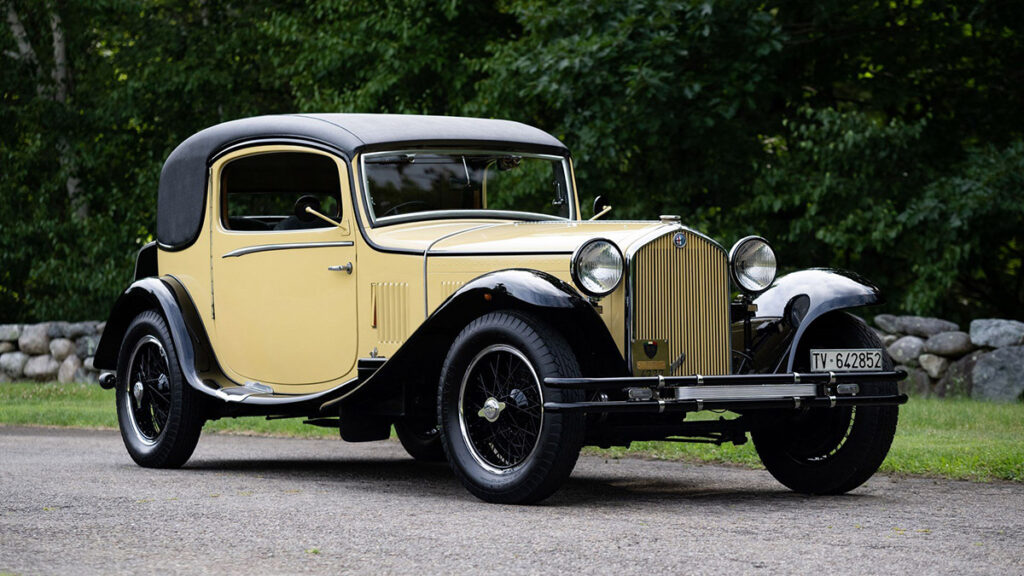
The first GT car dates back to 1930 with the Alfa Romeo 6C 1750 Gran Turismo. There were two 1.5L engine options, with the more powerful being Sport and Super Sport Compressore later renamed to Gran Turismo. This vehicle could pump out tons of power, enough to join major racing events.
The success of the 6C 1750 Gran Turismo has carved a niche for GT cars. Unlike pure sports cars that focus on performance and sometimes sacrifice comfort, GT vehicles deliver the best of both worlds between sports cars and road cars. This makes them a reliable choice for long-distance travel on different terrain, including rough roads and mountain passes.
Since then, more and more automakers have joined the GT game, starting with Italian giants like Ferrari and spreading to other European brands. It was not until 20 to 30 years later that GT cars made their name in the American market, with Ford being one of the pioneers.
See more: