
The Honda Civic years to avoid include 2001–2005, 2006–2009, 2012, 2016, and 2022. These models are known for significant problems such as cracked engine blocks, steering rack failures, faulty air conditioning systems, and unreliable airbag deployment.
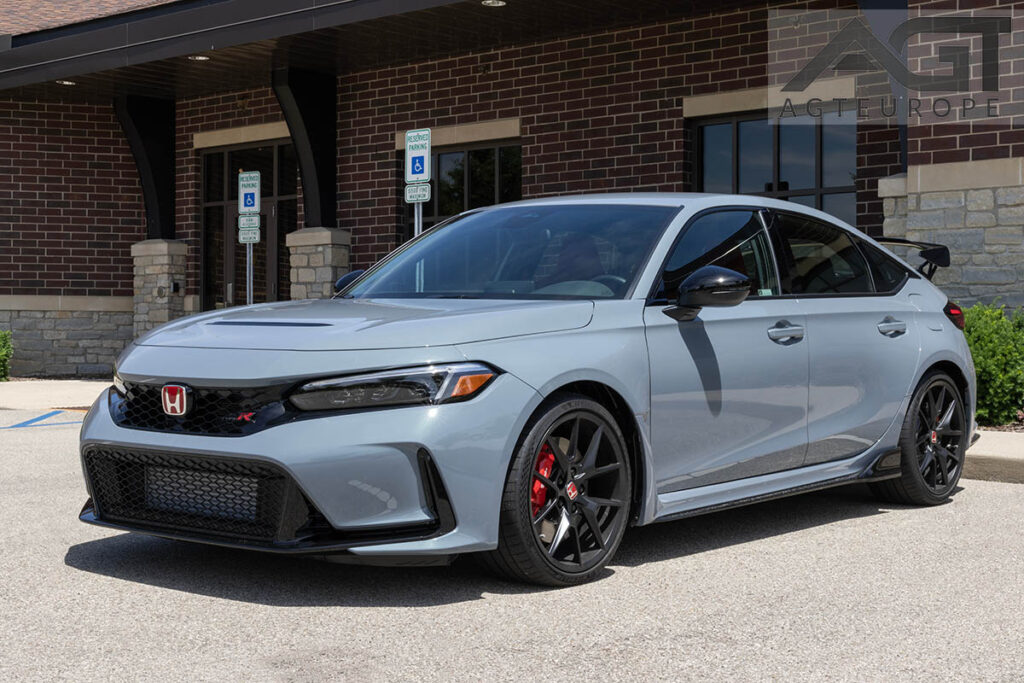
Keep reading for a detailed breakdown of what to expect and which years are best left behind!
In This Article:
Worst Honda Civic Years
Note: The number of recalls and complaints is updated as of 2025 on NHTSA.
7th Generation: 2001-2005 Honda Civic
2001 Honda Civic – 27 Recalls, 1,125 Complaints
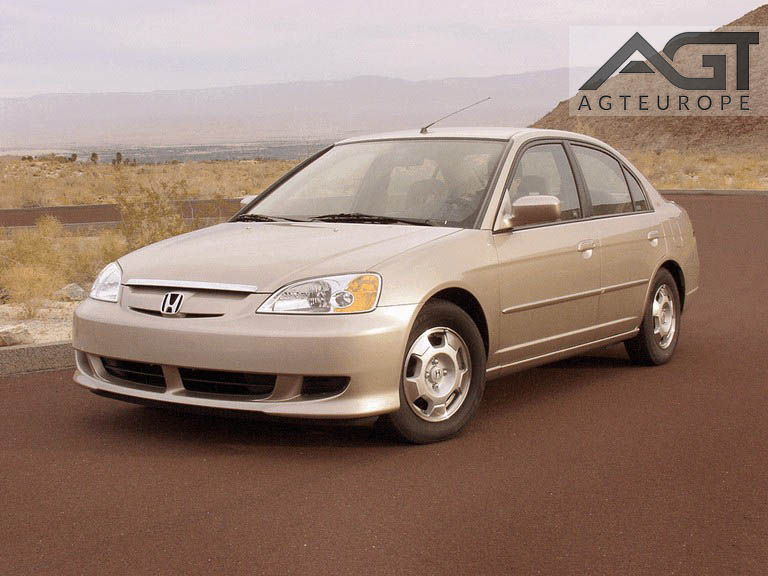
The 2001 Civic is notorious for catastrophic transmission failures, especially under normal driving conditions. Many owners report losing power while the engine continues running, only to find the car won’t move in any gear.
This issue stems from defective clutches—confirmed in a TSB, yet Honda never issued a recall. Airbag risks are also substantial, with 7 Takata airbag recalls tied to inflator explosions. In addition, faulty exterior lighting (13 recalls) has led to reduced visibility, increasing crash potential.
2002 Honda Civic – 24 Recalls, 717 Complaints
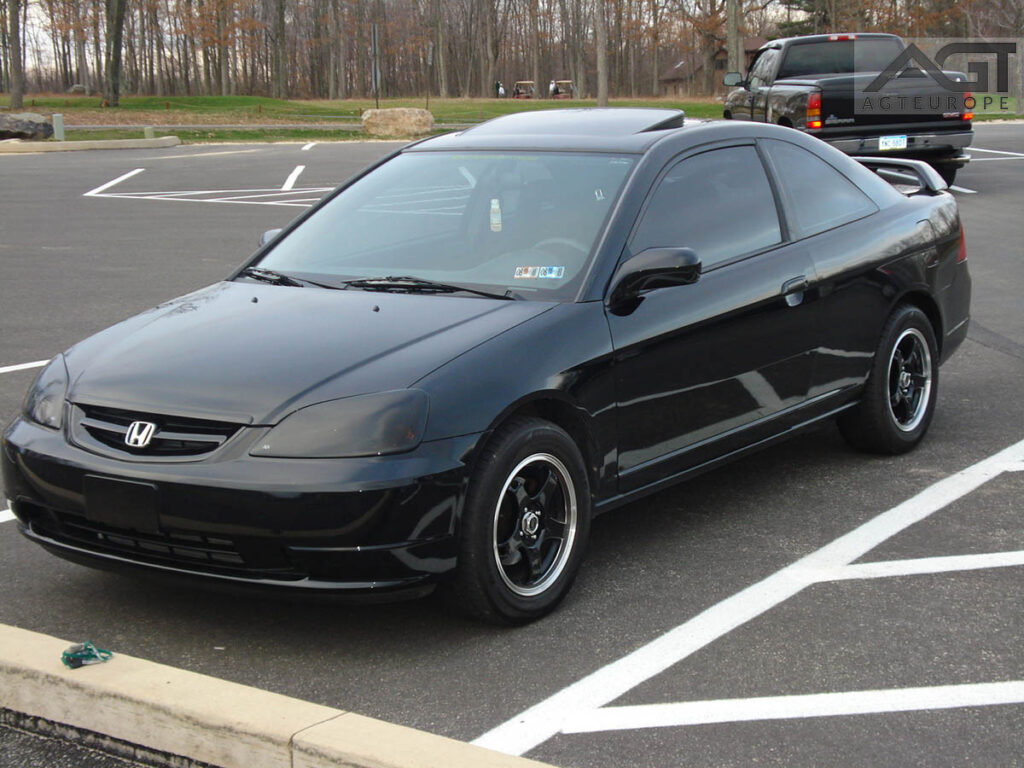
Transmission troubles continued in 2002 models, with similar complaints of gear slippage, sudden stalls, and loss of acceleration. On top of that, drivers have faced serious electrical issues, including sudden headlight failures that could occur at highway speeds.
Despite fitting the criteria of existing recalls, many vehicles weren’t covered. Some owners also noted SRS warning lights staying on persistently, indicating possible airbag system failure. These ongoing safety concerns make this year just as problematic as its predecessor.
2003 Honda Civic – 24 Recalls, 524 Complaints
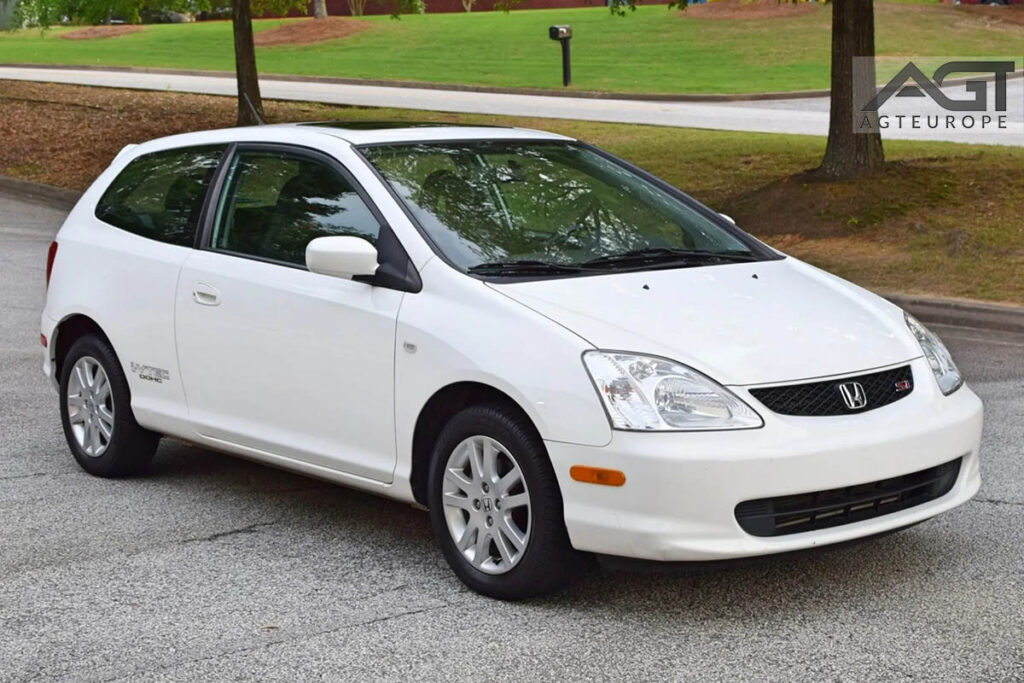
By 2003, the Civic hadn’t shaken its transmission and airbag issues. Many drivers reported CVT and automatic transmission failure, some while traveling at 55 MPH, forcing emergency stops.
Airbag concerns escalated with non-deployments during collisions, illuminated warning lights, and recurring electrical sensor faults. One collision at 30 MPH led to bruising and neck injuries when airbags failed to deploy, highlighting the potential risks.
2004 Honda Civic – 15 Recalls, 350 Complaints
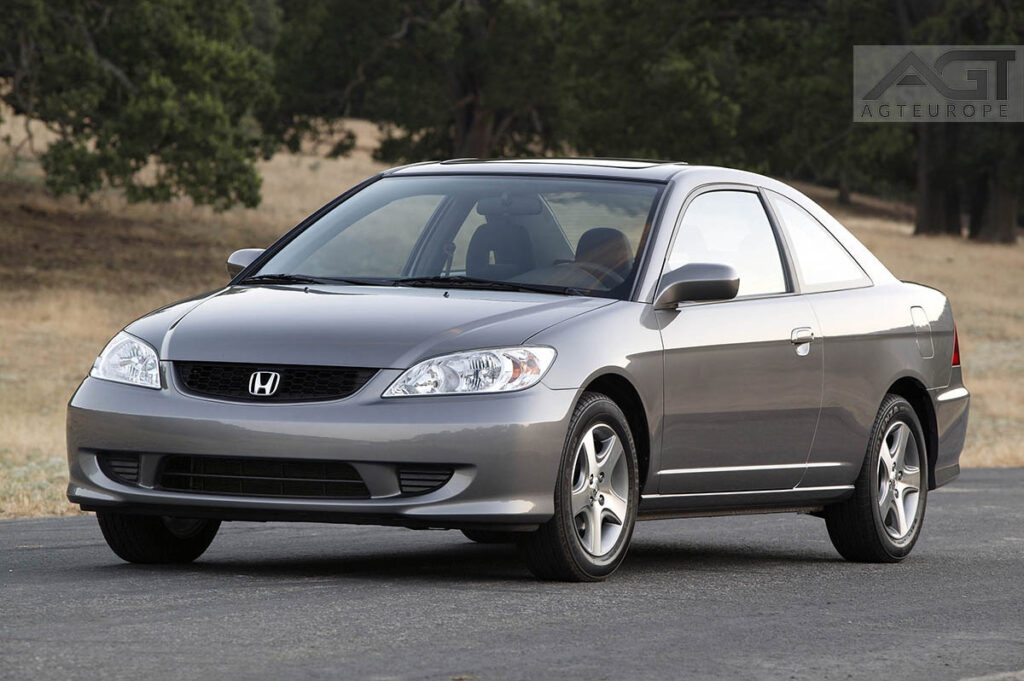
Though the number of complaints dropped slightly, the 2004 Civic still shares the same core mechanical and safety flaws: transmission issues, airbag warning lights, and erratic electrical behavior.
In many cases, warning lights returned soon after repairs. Honda’s continued resistance to issuing broad recalls left many owners footing the bill despite well-known systemic problems.
2005 Honda Civic – 15 Recalls, 315 Complaints
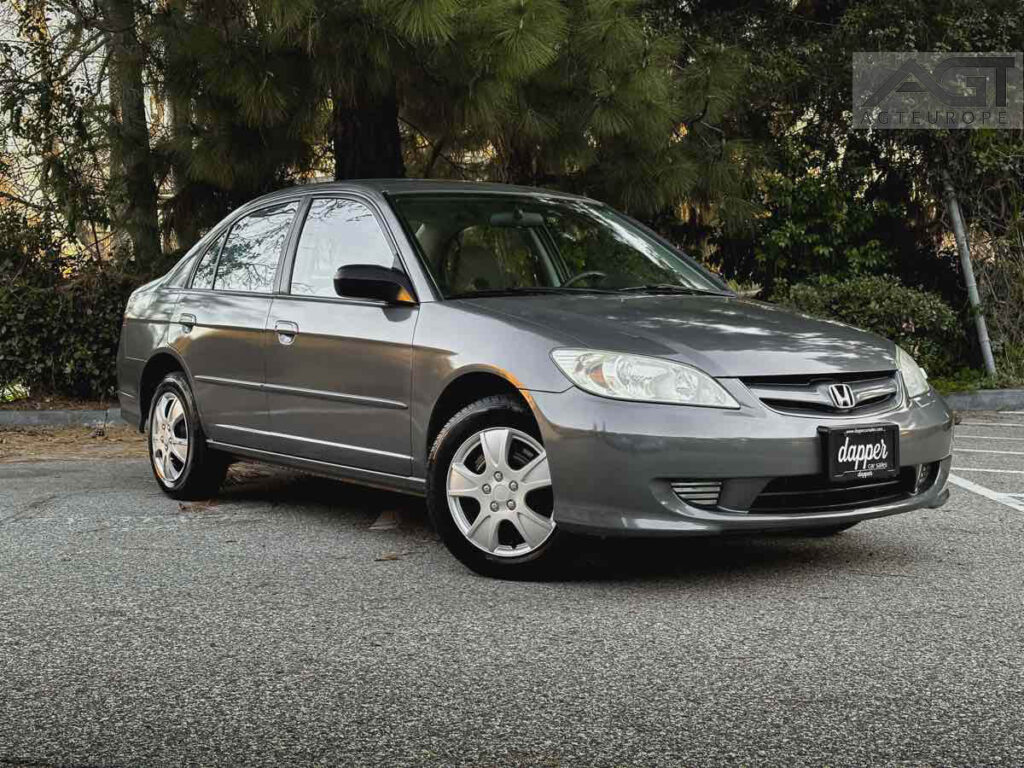
The 2005 Civic may seem slightly improved on paper, but real-world performance tells a different story. Transmission problems persisted, especially in manual versions, where cars frequently slipped out of second gear, even after multiple replacements. Airbag failures remained a critical issue: in one serious accident at 70 MPH, the airbags didn’t deploy, and the driver was injured.
We personally drove a 2005 Civic with just under 48,000 miles and noticed the airbag light stayed on after a highway trip. After research, we found that this issue was linked to the clockspring, a well-documented failure.
Rather than paying $450 for dealer repair, we replaced it ourselves. But even then, the warning light persisted, showing how persistent and unresolved these problems can be, even with maintenance.
8th Generation: 2006-2009 Honda Civic
2006 Honda Civic – 15 Recalls, 1,400 Complaints
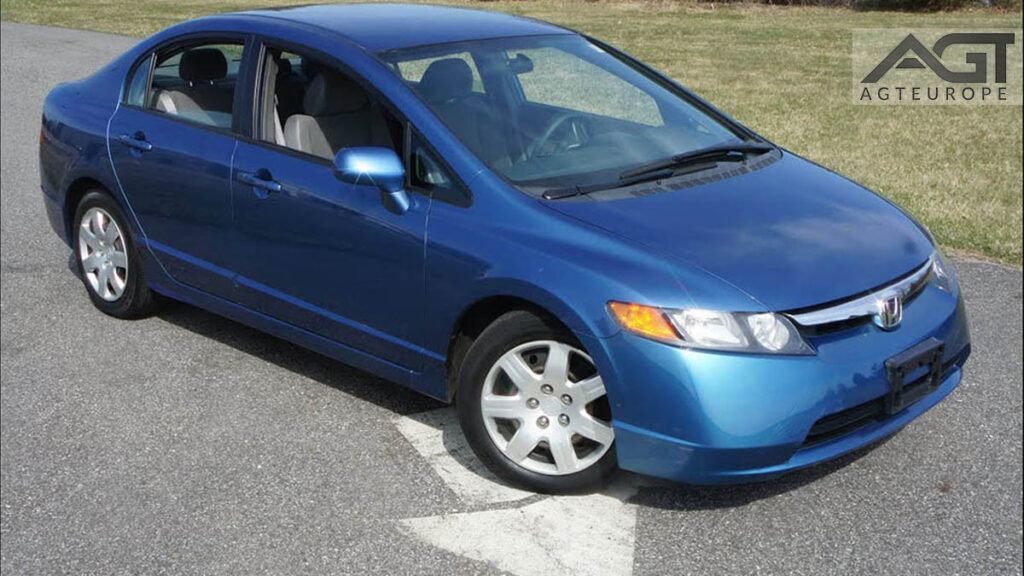
One of the most alarming problems in 2006 Civics is cracked engine blocks. Drivers report sudden overheating with no warning lights, only to discover coolant leaks due to engine block fractures. A service bulletin acknowledges the defect, but Honda never issued a recall. Many owners were left to pay thousands for engine replacements.
Another major issue involves the rear suspension. The poorly designed upper control arms cause excessive negative camber, leading to severe tire cupping and premature wear. This not only increases long-term costs but poses a danger if tire blowouts occur.
Airbag failures were also reported, including non-deployments in collisions and malfunctioning seatbelts. Some drivers were left unprotected during rear-end crashes and suffered injuries from faulty restraint systems.
2007 Honda Civic – 9 Recalls, 1,202 Complaints

The engine block cracking issue persisted in the 2007 Civic, often leading to coolant puddles, overheating, and sudden shutdowns. Several drivers were unaware of the defect until the engine was already severely damaged. Despite a service bulletin, most affected owners were denied coverage due to expired extended warranties.
The powertrain and transmission system also drew concern, with reports of failure to shift gears or slipping out of gear mid-drive, posing a significant safety hazard. One driver described how a CV axle snapped at only 5 MPH, dropping a metal piece onto the road.
2008 Honda Civic – 7 Recalls, 909 Complaints
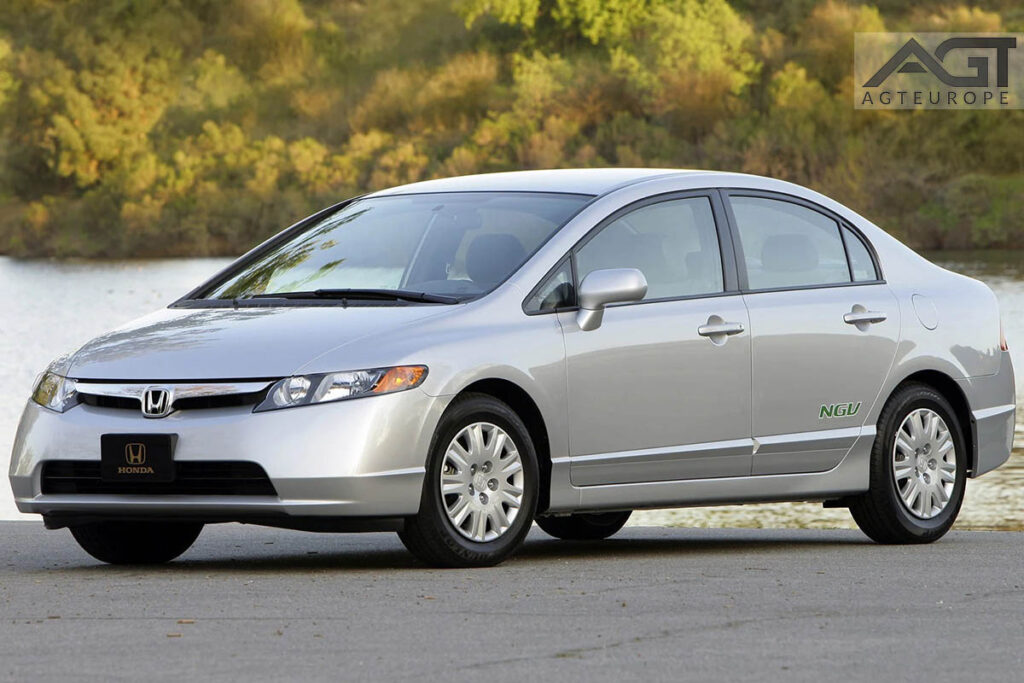
By 2008, many of the Civic’s problems had become all too familiar: cracked engine blocks, airbag warning lights, and structural issues. But what made this year stand out was the alarming build-quality degradation.
We personally drove a 2008 Civic EX with 81,000 miles and immediately noticed several defects. The driver-side sun visor broke loose on the highway, dropping onto our hands mid-steering, forcing a sharp correction in traffic. A few days later, the passenger visor snapped in half, sending plastic fragments across the dashboard. These design failures could easily lead to a crash if they happen at high speeds.
The paint defects were equally frustrating. The clear coat on the hood and roof began flaking, despite regular care. This is a widely reported problem among 2008 Civic owners. Many noted rust patches and Honda’s refusal to repair them after the warranty expired.
On the mechanical side, airbag systems continued to fail. Even after recall-related service, warning lights often stayed illuminated, indicating unresolved hazards.
2009 Honda Civic – 8 Recalls, 390 Complaints
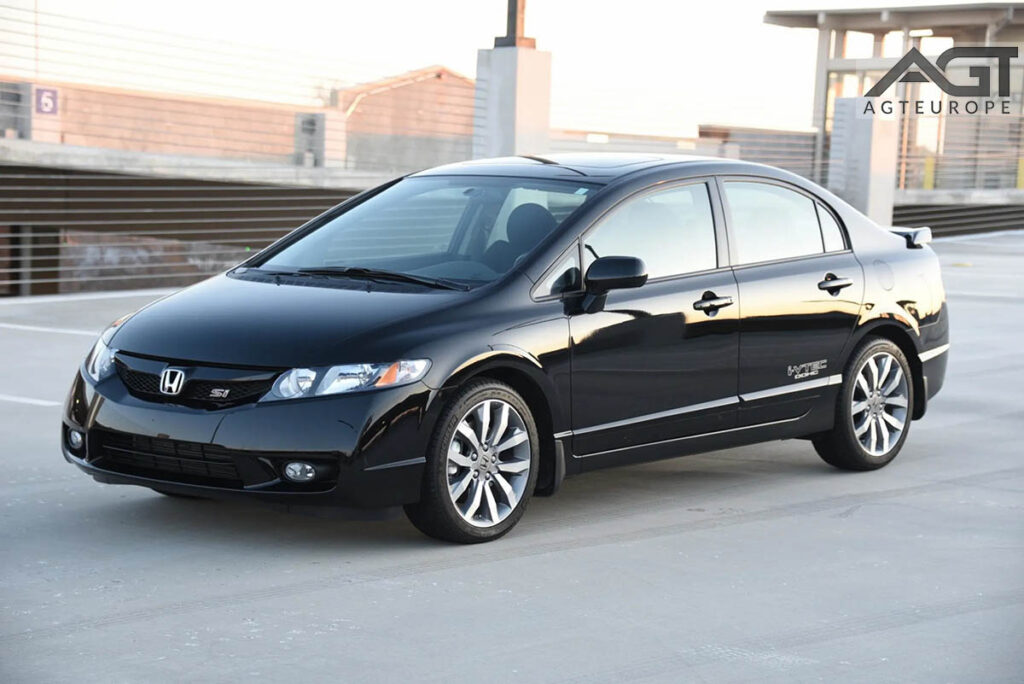
While complaint volume dropped in 2009, the issues remained consistent. Airbag problems persisted, with seven recalls related to inflator defects, non-deployment risks, and system malfunctions. Several drivers reported that their SRS warning lights stayed on, even after attempted repairs.
Paint peeling also returned, especially in areas like the hood, roof, and trunk lid. Owners found their cars looking years older than they were, and Honda’s response remained the same: no coverage after warranty expiration.
9th Generation: 2012 Honda Civic

As of 2025, the 2012 Honda Civic has logged 442 consumer complaints and 3 official recalls with the NHTSA, making it the worst-rated model year of the 9th-generation Civic despite its relatively lower complaint volume.
A major issue is the intermittent failure of the airbag system. Drivers report the airbag warning light flashing or staying on, especially while driving. Diagnoses often point to the Occupant Passenger Detection Sensor or internal resistance faults in the airbag inflator.
In some collisions, side airbags failed to deploy entirely, even during hard side impacts. Honda has issued extended coverage for the passenger side airbag sensor but not the driver’s side, despite similar failures.
The electrical system has also become a concern. Numerous reports describe failures in the IMA power inverter module for hybrid models—an issue identified in Honda’s own Service Bulletin 20-030.
Yet, some owners say Honda refuses to honor the warranty, claiming VIN exclusions despite matching all failure conditions. Additionally, odometer fraud cases have appeared frequently, with several buyers discovering mismatched mileage records after private sales.
10th Generation: 2016 Honda Civic
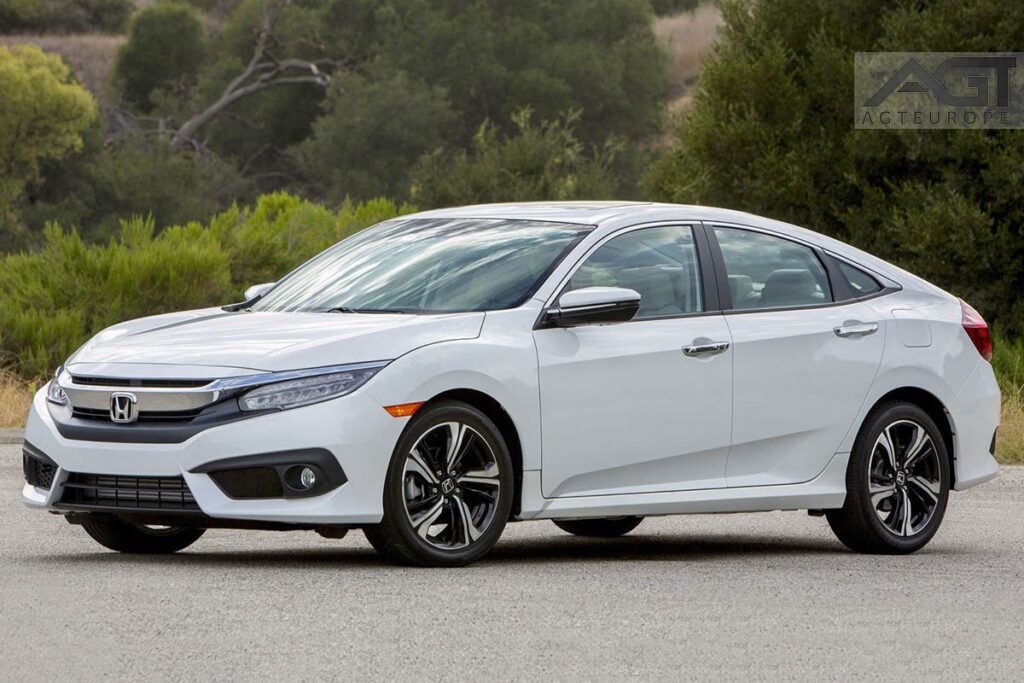
As of 2025, the 2016 Honda Civic has accumulated 964 complaints and 4 recalls in the NHTSA database, making it one of the most frustrating first-year redesigns of the 10th generation.
The AC system is a major weak point. Condenser, compressor, and evaporator failures are frequent, often requiring multiple repairs within just a few years. We’ve had our own Civic’s AC serviced three times since 2021.
Each time, it blew hot air again after just one or two summers, even after replacing the condenser and compressor under Honda’s limited extended warranty. Now, with the evaporator failing at just over 75,000 miles, we’re looking at an out-of-pocket cost nearing $2,000 because it’s not covered. In a Phoenix summer with temps over 110°F, driving like this is nearly unbearable.
Electrical problems are also widespread. Owners report steering stiffness, battery and key programming failures, and expensive VSA modulator replacements following recall software updates. Complaints about braking system faults, including non-responsive pedals and sudden acceleration during parking, are deeply concerning, especially when combined with ABS and electronic parking brake failures.
11th Generation: 2022 Honda Civic
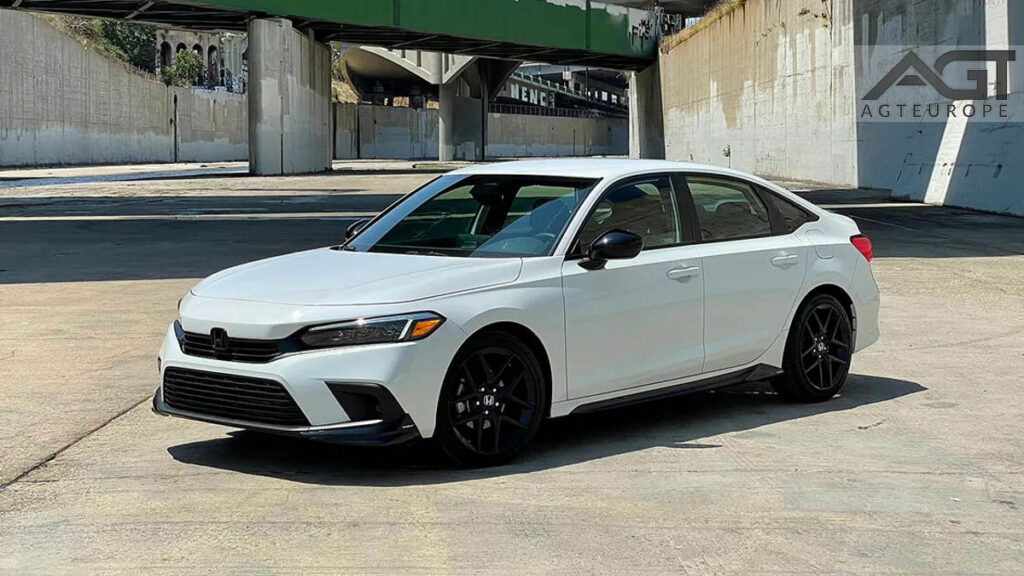
Up to now, the 2022 Honda Civic has recorded 836 consumer complaints and 3 NHTSA recalls, with over 700 of those complaints related to steering problems alone.
A widespread and dangerous issue involves “sticky” or locking steering, often occurring after 10–15 minutes of driving. Many owners, including us, experienced this firsthand. Our steering began to resist small corrections at highway speeds (around 65 MPH), forcing overcorrections and increasing the risk of swerving.
The dealer initially greased the steering rack under recall, but the problem returned within months. On our second visit, they confirmed the EPS steering rack needed full replacement, quoting over $3,500, on a car with less than 40,000 miles.
The situation worsens with Honda’s driver assistance features. Numerous reports describe random activation of the collision mitigation system, lane-keeping assist, and adaptive cruise control, even in normal driving conditions.
In some cases, the vehicle brakes suddenly at highway speeds for no reason, placing drivers and others at risk. Malfunctions in these systems have been traced to camera sensor issues, yet repairs often fall outside of warranty and dealership diagnostics can be inconsistent.
Common Honda Civic Problems
Here are the 7 most common problems reported across the Honda Civic models:
- Steering rack & EPS failures: Many owners across 2022–2025 Civics report “sticky” or locking steering that returns even after grease-only repairs. At highway speeds, this leads to sudden resistance and overcorrections.
- Air conditioning breakdowns: 10th-gen Civics (2016–2018) frequently require multiple AC repairs, condenser, compressor, and evaporator. Customers report recurring failures even under extended warranties, leading to unreliable cooling in high-heat regions.
- Airbag system defects: Across 2001–2012 models, airbag inflator faults, occupant detection sensor errors, and non-deployments have led to numerous recalls. Many drivers report warning lights and disabled airbags, even post-recall, putting occupants at great risk.
- Cracked engine blocks & coolant leaks: 2006–2008 Civics often suffer cracked engine blocks causing unexpected overheating and coolant loss. Honda’s TSBs and class-action suits acknowledged this, but no broad recalls were issued, leading to high repair costs.
- Electrical & electronics malfunctions: Common issues include steering stiffness due to EPS software bugs, VSA modulator failures post-recall, battery/key programming glitches, and odometer inconsistencies. These malfunctions often result in high repair bills or voided warranties.
- ADAS & driver assist glitches: Many recent Civics suffer from erratic Adaptive Cruise Control, Lane-Keeping Assist, Collision Mitigation, and unexpected harsh braking. Cameras or radar sensors frequently misfire, fail, or drop offline, compromising safety.
Suspension & tire-wear problems: Earlier Civics from 2006–2011 showed premature tire cupping caused by flawed rear control arm geometry. Owners often replaced tires annually and required suspension realignment.
See more cars to avoid & common issues: